Deprecated: WPML_Translations::__construct(): Implicitly marking parameter $wpml_cache as nullable is deprecated, the explicit nullable type must be used instead in /home/clearsou/mynextcompany.eu/wp-content/plugins/sitepress-multilingual-cms/classes/translations/class-wpml-translations.php on line 26
https://mynextcompany.eu/6-reasons-to-leave-a-perfectly-good-job/
Deprecated: Using null as an array offset is deprecated, use an empty string instead in /home/clearsou/mynextcompany.eu/wp-includes/class-wp-block-type-registry.php on line 168
Deprecated: Using null as the key parameter for array_key_exists() is deprecated, use an empty string instead in /home/clearsou/mynextcompany.eu/wp-content/plugins/sitepress-multilingual-cms/vendor/wpml/fp/core/Obj.php on line 98
Deprecated: Using null as an array offset is deprecated, use an empty string instead in /home/clearsou/mynextcompany.eu/wp-includes/class-wp-block-type-registry.php on line 168
Deprecated: Using null as an array offset is deprecated, use an empty string instead in /home/clearsou/mynextcompany.eu/wp-includes/class-wp-block-type-registry.php on line 168
Deprecated: Using null as an array offset is deprecated, use an empty string instead in /home/clearsou/mynextcompany.eu/wp-includes/class-wp-block-type-registry.php on line 168
Deprecated: Using null as an array offset is deprecated, use an empty string instead in /home/clearsou/mynextcompany.eu/wp-includes/class-wp-block-type-registry.php on line 168
Deprecated: Using ${var} in strings is deprecated, use {$var} instead in /home/clearsou/mynextcompany.eu/wp-content/themes/Divi/includes/builder/module/settings/migration/ColumnOptions.php on line 95
Deprecated: Using ${var} in strings is deprecated, use {$var} instead in /home/clearsou/mynextcompany.eu/wp-content/themes/Divi/includes/builder/module/settings/migration/ColumnOptions.php on line 95
Deprecated: Using ${var} in strings is deprecated, use {$var} instead in /home/clearsou/mynextcompany.eu/wp-content/themes/Divi/includes/builder/module/settings/migration/ColumnOptions.php on line 97
Deprecated: Using ${var} in strings is deprecated, use {$var} instead in /home/clearsou/mynextcompany.eu/wp-content/themes/Divi/includes/builder/module/settings/migration/ColumnOptions.php on line 97
Deprecated: Using ${var} in strings is deprecated, use {$var} instead in /home/clearsou/mynextcompany.eu/wp-content/themes/Divi/includes/builder/module/settings/migration/ColumnOptions.php on line 103
Deprecated: Using ${var} in strings is deprecated, use {$var} instead in /home/clearsou/mynextcompany.eu/wp-content/themes/Divi/includes/builder/module/settings/migration/ColumnOptions.php on line 103
Deprecated: Using ${var} in strings is deprecated, use {$var} instead in /home/clearsou/mynextcompany.eu/wp-content/themes/Divi/includes/builder/module/settings/migration/ColumnOptions.php on line 105
Deprecated: Using ${var} in strings is deprecated, use {$var} instead in /home/clearsou/mynextcompany.eu/wp-content/themes/Divi/includes/builder/module/settings/migration/ColumnOptions.php on line 105
Deprecated: Using ${var} in strings is deprecated, use {$var} instead in /home/clearsou/mynextcompany.eu/wp-content/themes/Divi/includes/builder/module/settings/migration/ColumnOptions.php on line 130
Deprecated: Using ${var} in strings is deprecated, use {$var} instead in /home/clearsou/mynextcompany.eu/wp-content/themes/Divi/includes/builder/module/settings/migration/ColumnOptions.php on line 130
Deprecated: Using ${var} in strings is deprecated, use {$var} instead in /home/clearsou/mynextcompany.eu/wp-content/themes/Divi/includes/builder/module/settings/migration/ColumnOptions.php on line 132
Deprecated: Using ${var} in strings is deprecated, use {$var} instead in /home/clearsou/mynextcompany.eu/wp-content/themes/Divi/includes/builder/module/settings/migration/ColumnOptions.php on line 132
Deprecated: Using ${var} in strings is deprecated, use {$var} instead in /home/clearsou/mynextcompany.eu/wp-content/themes/Divi/includes/builder/module/settings/migration/ColumnOptions.php on line 161
Deprecated: Using ${var} in strings is deprecated, use {$var} instead in /home/clearsou/mynextcompany.eu/wp-content/themes/Divi/includes/builder/module/settings/migration/ColumnOptions.php on line 161
Deprecated: Using ${var} in strings is deprecated, use {$var} instead in /home/clearsou/mynextcompany.eu/wp-content/themes/Divi/includes/builder/module/settings/migration/ColumnOptions.php on line 161
Deprecated: Using ${var} in strings is deprecated, use {$var} instead in /home/clearsou/mynextcompany.eu/wp-content/themes/Divi/includes/builder/module/settings/migration/ColumnOptions.php on line 162
Deprecated: Using ${var} in strings is deprecated, use {$var} instead in /home/clearsou/mynextcompany.eu/wp-content/themes/Divi/includes/builder/module/settings/migration/ColumnOptions.php on line 162
Deprecated: Using ${var} in strings is deprecated, use {$var} instead in /home/clearsou/mynextcompany.eu/wp-content/themes/Divi/includes/builder/module/settings/migration/ColumnOptions.php on line 162
Deprecated: Using ${var} in strings is deprecated, use {$var} instead in /home/clearsou/mynextcompany.eu/wp-content/themes/Divi/includes/builder/module/settings/migration/ColumnOptions.php on line 205
Deprecated: Using ${var} in strings is deprecated, use {$var} instead in /home/clearsou/mynextcompany.eu/wp-content/themes/Divi/includes/builder/module/settings/migration/ColumnOptions.php on line 205
Deprecated: Using ${var} in strings is deprecated, use {$var} instead in /home/clearsou/mynextcompany.eu/wp-content/themes/Divi/includes/builder/module/settings/migration/ColumnOptions.php on line 205
Deprecated: Using ${var} in strings is deprecated, use {$var} instead in /home/clearsou/mynextcompany.eu/wp-content/themes/Divi/includes/builder/module/settings/migration/ColumnOptions.php on line 205
Deprecated: Using ${var} in strings is deprecated, use {$var} instead in /home/clearsou/mynextcompany.eu/wp-content/themes/Divi/includes/builder/module/settings/migration/ColumnOptions.php on line 207
Deprecated: Using ${var} in strings is deprecated, use {$var} instead in /home/clearsou/mynextcompany.eu/wp-content/themes/Divi/includes/builder/module/settings/migration/ColumnOptions.php on line 207
Deprecated: Using ${var} in strings is deprecated, use {$var} instead in /home/clearsou/mynextcompany.eu/wp-content/themes/Divi/includes/builder/module/settings/migration/ColumnOptions.php on line 207
Deprecated: Creation of dynamic property ET_Builder_Section::$_original_content is deprecated in /home/clearsou/mynextcompany.eu/wp-content/themes/Divi/includes/builder/class-et-builder-element.php on line 1315
Deprecated: Creation of dynamic property ET_Builder_Module_Field_Border::$template is deprecated in /home/clearsou/mynextcompany.eu/wp-content/themes/Divi/includes/builder/module/field/Border.php on line 48
Deprecated: Using ${var} in strings is deprecated, use {$var} instead in /home/clearsou/mynextcompany.eu/wp-content/themes/Divi/includes/builder/module/field/Position.php on line 198
Deprecated: Using ${var} in strings is deprecated, use {$var} instead in /home/clearsou/mynextcompany.eu/wp-content/themes/Divi/includes/builder/module/field/Position.php on line 199
Deprecated: Using ${var} in strings is deprecated, use {$var} instead in /home/clearsou/mynextcompany.eu/wp-content/themes/Divi/includes/builder/module/field/Position.php on line 200
Deprecated: Using ${var} in strings is deprecated, use {$var} instead in /home/clearsou/mynextcompany.eu/wp-content/themes/Divi/includes/builder/module/field/Position.php on line 500
Deprecated: Using ${var} in strings is deprecated, use {$var} instead in /home/clearsou/mynextcompany.eu/wp-content/themes/Divi/includes/builder/module/field/Position.php on line 583
Deprecated: Using ${var} in strings is deprecated, use {$var} instead in /home/clearsou/mynextcompany.eu/wp-content/themes/Divi/includes/builder/module/field/Transform.php on line 79
Deprecated: Using ${var} in strings is deprecated, use {$var} instead in /home/clearsou/mynextcompany.eu/wp-content/themes/Divi/includes/builder/module/field/Transform.php on line 79
Deprecated: Using ${var} in strings is deprecated, use {$var} instead in /home/clearsou/mynextcompany.eu/wp-content/themes/Divi/includes/builder/module/field/Transform.php on line 98
Deprecated: Using ${var} in strings is deprecated, use {$var} instead in /home/clearsou/mynextcompany.eu/wp-content/themes/Divi/includes/builder/module/field/Transform.php on line 98
Deprecated: Using ${var} in strings is deprecated, use {$var} instead in /home/clearsou/mynextcompany.eu/wp-content/themes/Divi/includes/builder/module/field/Transform.php on line 117
Deprecated: Using ${var} in strings is deprecated, use {$var} instead in /home/clearsou/mynextcompany.eu/wp-content/themes/Divi/includes/builder/module/field/Transform.php on line 117
Deprecated: Using ${var} in strings is deprecated, use {$var} instead in /home/clearsou/mynextcompany.eu/wp-content/themes/Divi/includes/builder/module/field/Transform.php on line 117
Deprecated: Using ${var} in strings is deprecated, use {$var} instead in /home/clearsou/mynextcompany.eu/wp-content/themes/Divi/includes/builder/module/field/Transform.php on line 136
Deprecated: Using ${var} in strings is deprecated, use {$var} instead in /home/clearsou/mynextcompany.eu/wp-content/themes/Divi/includes/builder/module/field/Transform.php on line 136
Deprecated: Using ${var} in strings is deprecated, use {$var} instead in /home/clearsou/mynextcompany.eu/wp-content/themes/Divi/includes/builder/module/field/Transform.php on line 157
Deprecated: Using ${var} in strings is deprecated, use {$var} instead in /home/clearsou/mynextcompany.eu/wp-content/themes/Divi/includes/builder/module/field/Transform.php on line 157
Deprecated: Using ${var} in strings is deprecated, use {$var} instead in /home/clearsou/mynextcompany.eu/wp-content/themes/Divi/includes/builder/module/field/Transform.php on line 199
Deprecated: Using ${var} in strings is deprecated, use {$var} instead in /home/clearsou/mynextcompany.eu/wp-content/themes/Divi/includes/builder/module/field/Transform.php on line 200
Deprecated: Using ${var} in strings is deprecated, use {$var} instead in /home/clearsou/mynextcompany.eu/wp-content/themes/Divi/includes/builder/module/field/Transform.php on line 201
Deprecated: Using ${var} in strings is deprecated, use {$var} instead in /home/clearsou/mynextcompany.eu/wp-content/themes/Divi/includes/builder/module/field/Transform.php on line 203
Deprecated: Using ${var} in strings is deprecated, use {$var} instead in /home/clearsou/mynextcompany.eu/wp-content/themes/Divi/includes/builder/module/field/Transform.php on line 204
Deprecated: Using ${var} in strings is deprecated, use {$var} instead in /home/clearsou/mynextcompany.eu/wp-content/themes/Divi/includes/builder/module/field/Transform.php on line 205
Deprecated: Using ${var} in strings is deprecated, use {$var} instead in /home/clearsou/mynextcompany.eu/wp-content/themes/Divi/includes/builder/module/field/Transform.php on line 206
Deprecated: Using ${var} in strings is deprecated, use {$var} instead in /home/clearsou/mynextcompany.eu/wp-content/themes/Divi/includes/builder/module/field/Transform.php on line 207
Deprecated: Using ${var} in strings is deprecated, use {$var} instead in /home/clearsou/mynextcompany.eu/wp-content/themes/Divi/includes/builder/module/field/Transform.php on line 364
Deprecated: Using ${var} in strings is deprecated, use {$var} instead in /home/clearsou/mynextcompany.eu/wp-content/themes/Divi/includes/builder/module/field/Transform.php on line 364
Deprecated: Using ${var} in strings is deprecated, use {$var} instead in /home/clearsou/mynextcompany.eu/wp-content/themes/Divi/includes/builder/module/field/Transform.php on line 565
Deprecated: Creation of dynamic property ET_Builder_Module_Helper_MultiViewOptions::$inherited_props is deprecated in /home/clearsou/mynextcompany.eu/wp-content/themes/Divi/includes/builder/module/helpers/MultiViewOptions.php on line 686
Deprecated: Creation of dynamic property ET_Builder_Module_Field_Divider::$count is deprecated in /home/clearsou/mynextcompany.eu/wp-content/themes/Divi/includes/builder/main-structure-elements.php on line 1498
Deprecated: Creation of dynamic property ET_Builder_Row::$_original_content is deprecated in /home/clearsou/mynextcompany.eu/wp-content/themes/Divi/includes/builder/class-et-builder-element.php on line 1315
Deprecated: Creation of dynamic property ET_Builder_Column::$_original_content is deprecated in /home/clearsou/mynextcompany.eu/wp-content/themes/Divi/includes/builder/class-et-builder-element.php on line 1315
Deprecated: Creation of dynamic property ET_Builder_Module_Image::$text_shadow is deprecated in /home/clearsou/mynextcompany.eu/wp-content/themes/Divi/includes/builder/class-et-builder-element.php on line 1315
Deprecated: Creation of dynamic property ET_Builder_Module_Image::$margin_padding is deprecated in /home/clearsou/mynextcompany.eu/wp-content/themes/Divi/includes/builder/class-et-builder-element.php on line 1315
Deprecated: Creation of dynamic property ET_Builder_Module_Image::$_additional_fields_options is deprecated in /home/clearsou/mynextcompany.eu/wp-content/themes/Divi/includes/builder/class-et-builder-element.php on line 1315
Deprecated: Creation of dynamic property ET_Builder_Module_Image::$_original_content is deprecated in /home/clearsou/mynextcompany.eu/wp-content/themes/Divi/includes/builder/class-et-builder-element.php on line 1315
Deprecated: Creation of dynamic property ET_Builder_Module_Helper_MultiViewOptions::$inherited_props is deprecated in /home/clearsou/mynextcompany.eu/wp-content/themes/Divi/includes/builder/module/helpers/MultiViewOptions.php on line 686
Deprecated: Creation of dynamic property ET_Builder_Module_Text::$text_shadow is deprecated in /home/clearsou/mynextcompany.eu/wp-content/themes/Divi/includes/builder/class-et-builder-element.php on line 1315
Deprecated: Creation of dynamic property ET_Builder_Module_Text::$margin_padding is deprecated in /home/clearsou/mynextcompany.eu/wp-content/themes/Divi/includes/builder/class-et-builder-element.php on line 1315
Deprecated: Creation of dynamic property ET_Builder_Module_Text::$_additional_fields_options is deprecated in /home/clearsou/mynextcompany.eu/wp-content/themes/Divi/includes/builder/class-et-builder-element.php on line 1315
Deprecated: Creation of dynamic property ET_Builder_Module_Text::$_original_content is deprecated in /home/clearsou/mynextcompany.eu/wp-content/themes/Divi/includes/builder/class-et-builder-element.php on line 1315
Deprecated: Creation of dynamic property ET_Builder_Module_Helper_MultiViewOptions::$inherited_props is deprecated in /home/clearsou/mynextcompany.eu/wp-content/themes/Divi/includes/builder/module/helpers/MultiViewOptions.php on line 686

Sometimes you just need a change, right? Change can be refreshing and it keeps us alive. But it can also be scary to step out of your comfort zone and into the unknown.

Let’s take a look at some good reasons to change jobs. In some cases the choice is obvious, for example if you sense that your workplace is toxic or you don’t feel the company culture fits you. But what about leaving a job that’s not all that bad?
Changing jobs can be challenging, but there are also many benefits connected to switching careers even if your current job is good.
Here are the six top reasons to leave a perfectly good job.

1. Brand yourself
By leaving your current job and heading out onto the job market, you will get a clearer view on what the supply and demand for talent is in your field of work. You will get the opportunity to figure out what makes you stand out as a professional and how you can use this to your advantage.
In today’s era, where our ability to assimilate new information is challenged by the amount of communication and our shortening attention span, image is everything. It is said that a recruiter spends 20 seconds looking at a candidate profile, before forming an opinion whether or not the profile fits the open position.
If you want to be in control of how employers perceive you, and which employers will think you’re a good match, you need to consciously create your personal brand. Check out the eBook “The Keys to Landing your Dream Job” and learn how to brand yourself!
2. Experience different types of company culture and management
Different leadership styles go with different types of working. How do you like to work and communicate? Do you have or aspire to having a team leader or management role yourself? How would you like to be coached then? What values are important to you?
By changing jobs you get to experience different company cultures and can learn what works for you and what doesn’t.
3. Make more money
Your worth on the job market will have gone up since your previous experience. You can benefit from the seniority you have gained by changing jobs. This might be easier than claiming a raise for your seniority in the company you are currently working for.
By entering the job market your worth will become very clear and you will have a solid foundation upon which to negotiate your next salary.
4. Gain new professional skills
Remember the learning curve you went through when you started your current job?
When you change jobs, you will go through this learning curve again and gain new professional skills. This will not only help build your personal brand, but will also give you confidence in your ability to learn and adapt. Your previous skills might be of great benefit to a potential next employer too, and you can both learn by exchanging skills and knowledge.
5. Grow as a human being
By changing jobs you will get to know yourself better. You will know your strengths and areas that could be improved, and you will get better at finding a job where you are appreciated for what you do best. You will find it easier to judge whether a situation is right for you, if a company is toxic, or if it’s thriving.
6. Pursue your dreams
What is the career you really want? Is it outside your current comfort zone? Then go for it. You deserve to find a job that gives your life purpose and meaning. This might involve changing industries, cities or even countries. But if you don’t have your dream job now, the first thing to do is to leave your current job, even if it’s comfortable.
Get through the transition
Changing jobs makes us grow. By branding ourselves and gaining more experience, we become stronger professionals on the job market. We can make more money by expanding our professional horizons and keep gaining new skills and learning. By doing so we grow as human beings and help others around us grow as well.
The post 6 Reasons to Leave a Perfectly Good Job appeared first on MyNextCompany.
]]>Deprecated: Using null as an array offset is deprecated, use an empty string instead in /home/clearsou/mynextcompany.eu/wp-includes/class-wp-block-type-registry.php on line 168
Deprecated: Using null as the key parameter for array_key_exists() is deprecated, use an empty string instead in /home/clearsou/mynextcompany.eu/wp-content/plugins/sitepress-multilingual-cms/vendor/wpml/fp/core/Obj.php on line 98
Deprecated: Using null as an array offset is deprecated, use an empty string instead in /home/clearsou/mynextcompany.eu/wp-includes/class-wp-block-type-registry.php on line 168
Deprecated: Using null as an array offset is deprecated, use an empty string instead in /home/clearsou/mynextcompany.eu/wp-includes/class-wp-block-type-registry.php on line 168
Deprecated: Using null as an array offset is deprecated, use an empty string instead in /home/clearsou/mynextcompany.eu/wp-includes/class-wp-block-type-registry.php on line 168
Deprecated: Using null as an array offset is deprecated, use an empty string instead in /home/clearsou/mynextcompany.eu/wp-includes/class-wp-block-type-registry.php on line 168
Deprecated: Creation of dynamic property ET_Builder_Module_Helper_MultiViewOptions::$inherited_props is deprecated in /home/clearsou/mynextcompany.eu/wp-content/themes/Divi/includes/builder/module/helpers/MultiViewOptions.php on line 686
Deprecated: Creation of dynamic property ET_Builder_Module_Helper_MultiViewOptions::$inherited_props is deprecated in /home/clearsou/mynextcompany.eu/wp-content/themes/Divi/includes/builder/module/helpers/MultiViewOptions.php on line 686
Deprecated: Creation of dynamic property ET_Builder_Module_Helper_MultiViewOptions::$inherited_props is deprecated in /home/clearsou/mynextcompany.eu/wp-content/themes/Divi/includes/builder/module/helpers/MultiViewOptions.php on line 686

PHP is a preferred language for developing huge applications that demand a heavy user base. It is mainly applied in server-side scripting and command line scripting. Despite some limitations, it can also be used for writing desktop applications and it powers the majority of websites in the world including Facebook and WordPress.
Clearly then, PHP is a language that’s in high demand and one that can form the basis of a career. But some questions remain: as a PHP developer, where would your best career prospects lie? Where would you reach the pinnacle of success?
Benefits of working for a software house
A software house is a company which specialises in the development of software products. The focus is on developing and maintaining a complete software product, for example an application used in the banking sector.
Let’s take a look at some of the benefits to be gained from working in a software house that could boost your resume.
1. The onus of delivering top-quality code every time
In a software house, the scope of a project tends to be longer and more detailed than in a web agency. The product passes through several stages before final delivery to the client. It is therefore routine to conduct detailed testing of the products, for example through:
- Peer-to-peer review: the code is tested by fellow team members/team leads to detect flaws or non-performance issues.
- Quality assurance: the code is tested in detail using several documented processes. These tests are discussed well in advance in the project planning stages, and the outcomes often also need to be shared with the client.
The overall outcome of the process is that, as a developer, you would learn to create high-quality code. This ability will ultimately add to your value as a developer and help improve your product knowledge.

2. Creating complete solutions tested in multiple scenarios
A software house has the task of creating a complete solution in which the website is just one component. In such a scenario, the website would be tested to assess its performance in complex integration scenarios.
This gives a PHP developer the opportunity to handle and learn how to optimise performance in complex scenarios. Working on multiple feature enhancements of the application is a learning experience that enables the developer to find out how the website fares under these different circumstances.
Essentially, a software house would offer diverse end-to-end insight into not only how to manage your own development, but also how to optimise its performance when integrated with other parts of a solution. This valuable experience would add considerable weight to your resume.
3. Building best practices into your daily work
Software houses go to great pains to standardise their products. Their priority is to make their products outshine the competition: this is what keeps them in business.
The focus then is to create clean code which is bug-free and high on performance. This attitude towards quality helps all employees to be more efficient. As a PHP developer, you benefit by learning the industry’s best practices and incorporating them into your work.
Take the example of Optimy, a software company that has a dedicated team entirely focused on refactoring. This allows non-functional components of the code to be replaced with high-performing software.
4. Constantly learning about new technology
Software houses also continuously work to keep up with the latest technology tools and process methodology. With the advancement of cloud computing technology, software companies have placed greater focus on assisting their clients to extract the most from the cloud. Take for example Amazon Web Services. Software developers have increased their efforts to build products that are compatible with AWS, so clients can move their IT infrastructure to the cloud and reap the benefits.
Software houses also strive to try out the latest tools such as microservices, which undertake to build applications that work as small units, closely coupled together.
As a PHP developer you become acquainted with the latest trends in technology, at no additional cost to you. Your training needs are usually met by the company, which only asks you to demonstrate a desire to learn and discover new topics.

Additionally, in a software house you are exposed to process improvements, like eg. test-driven development. Traditional software development requires detailed testing where often all the components do not get adequately tested.
TDD requires the creation of module-specific tests which complement a very short development cycle. The software is developed to meet these test requirements only. This also makes it impossible to create software which does not conform to these requirements and can be used to build new code or improve legacy software by removing the redundant components.
Overall, working in a software house offers you the opportunity to upgrade your technical skills and also improve your process-related knowledge, thus making you a valuable asset to many companies.
You’re now sure to agree that working in a software house would be a great boost for your career. A software house provides the ideal environment for honing your technical and process skills. It will also help build your tacit knowledge, as you will always be in the company of like-minded individuals.
Find your perfect place
If you are not sure about working in a software house, or haven’t found the right one yet, why not exploring other options? Discover bevopr.io, a Belgian platform that will show you the companies that fit your needs, along with the match percentage. All you have to do is like, match, and chat. No need to update and upload your CV either!
The post Software House: the Perfect Place for a PHP Developer? appeared first on MyNextCompany.
]]>Deprecated: Using null as an array offset is deprecated, use an empty string instead in /home/clearsou/mynextcompany.eu/wp-includes/class-wp-block-type-registry.php on line 168
Deprecated: Using null as the key parameter for array_key_exists() is deprecated, use an empty string instead in /home/clearsou/mynextcompany.eu/wp-content/plugins/sitepress-multilingual-cms/vendor/wpml/fp/core/Obj.php on line 98
Deprecated: Using null as an array offset is deprecated, use an empty string instead in /home/clearsou/mynextcompany.eu/wp-includes/class-wp-block-type-registry.php on line 168
Deprecated: Using null as an array offset is deprecated, use an empty string instead in /home/clearsou/mynextcompany.eu/wp-includes/class-wp-block-type-registry.php on line 168
Deprecated: Using null as an array offset is deprecated, use an empty string instead in /home/clearsou/mynextcompany.eu/wp-includes/class-wp-block-type-registry.php on line 168
Deprecated: Using null as an array offset is deprecated, use an empty string instead in /home/clearsou/mynextcompany.eu/wp-includes/class-wp-block-type-registry.php on line 168
Deprecated: Creation of dynamic property ET_Builder_Module_Helper_MultiViewOptions::$inherited_props is deprecated in /home/clearsou/mynextcompany.eu/wp-content/themes/Divi/includes/builder/module/helpers/MultiViewOptions.php on line 686
Deprecated: Creation of dynamic property ET_Builder_Module_Helper_MultiViewOptions::$inherited_props is deprecated in /home/clearsou/mynextcompany.eu/wp-content/themes/Divi/includes/builder/module/helpers/MultiViewOptions.php on line 686
Deprecated: Creation of dynamic property ET_Builder_Module_Helper_MultiViewOptions::$inherited_props is deprecated in /home/clearsou/mynextcompany.eu/wp-content/themes/Divi/includes/builder/module/helpers/MultiViewOptions.php on line 686
Sometimes you just need a change, right? Change can be refreshing and it keeps us alive. But it can also be scary to step out of your comfort zone and into the unknown.
Let’s take a look at some good reasons to change jobs. In some cases the choice is obvious, for example if you sense that your workplace is toxic or you don’t feel the company culture fits you. But what about leaving a job that’s not all that bad?
Changing jobs can be challenging, but there are also many benefits connected to switching careers even if your current job is good.
Here are the six top reasons to leave a perfectly good job.
1. Brand yourself
By leaving your current job and heading out onto the job market, you will get a clearer view on what the supply and demand for talent is in your field of work. You will get the opportunity to figure out what makes you stand out as a professional and how you can use this to your advantage.
In today’s era, where our ability to assimilate new information is challenged by the amount of communication and our shortening attention span, image is everything. It is said that a recruiter spends 20 seconds looking at a candidate profile, before forming an opinion whether or not the profile fits the open position.
If you want to be in control of how employers perceive you, and which employers will think you’re a good match, you need to consciously create your personal brand. Check out the eBook “The Keys to Landing your Dream Job” and learn how to brand yourself!
2. Experience different types of company culture and management
Different leadership styles go with different types of working. How do you like to work and communicate? Do you have or aspire to having a team leader or management role yourself? How would you like to be coached then? What values are important to you?
By changing jobs you get to experience different company cultures and can learn what works for you and what doesn’t.
3. Make more money
Your worth on the job market will have gone up since your previous experience. You can benefit from the seniority you have gained by changing jobs. This might be easier than claiming a raise for your seniority in the company you are currently working for.
By entering the job market your worth will become very clear and you will have a solid foundation upon which to negotiate your next salary.
4. Gain new professional skills
Remember the learning curve you went through when you started your current job?
When you change jobs, you will go through this learning curve again and gain new professional skills. This will not only help build your personal brand, but will also give you confidence in your ability to learn and adapt. Your previous skills might be of great benefit to a potential next employer too, and you can both learn by exchanging skills and knowledge.
5. Grow as a human being
By changing jobs you will get to know yourself better. You will know your strengths and areas that could be improved, and you will get better at finding a job where you are appreciated for what you do best. You will find it easier to judge whether a situation is right for you, if a company is toxic, or if it’s thriving.
6. Pursue your dreams
What is the career you really want? Is it outside your current comfort zone? Then go for it. You deserve to find a job that gives your life purpose and meaning. This might involve changing industries, cities or even countries. But if you don’t have your dream job now, the first thing to do is to leave your current job, even if it’s comfortable.
Get through the transition
Changing jobs makes us grow. By branding ourselves and gaining more experience, we become stronger professionals on the job market. We can make more money by expanding our professional horizons and keep gaining new skills and learning. By doing so we grow as human beings and help others around us grow as well.
The post Developers: How to Plan Your Career appeared first on MyNextCompany.
]]>Deprecated: Using null as an array offset is deprecated, use an empty string instead in /home/clearsou/mynextcompany.eu/wp-includes/class-wp-block-type-registry.php on line 168
Deprecated: Using null as the key parameter for array_key_exists() is deprecated, use an empty string instead in /home/clearsou/mynextcompany.eu/wp-content/plugins/sitepress-multilingual-cms/vendor/wpml/fp/core/Obj.php on line 98
Deprecated: Using null as an array offset is deprecated, use an empty string instead in /home/clearsou/mynextcompany.eu/wp-includes/class-wp-block-type-registry.php on line 168
Deprecated: Using null as an array offset is deprecated, use an empty string instead in /home/clearsou/mynextcompany.eu/wp-includes/class-wp-block-type-registry.php on line 168
Deprecated: Using null as an array offset is deprecated, use an empty string instead in /home/clearsou/mynextcompany.eu/wp-includes/class-wp-block-type-registry.php on line 168
Deprecated: Using null as an array offset is deprecated, use an empty string instead in /home/clearsou/mynextcompany.eu/wp-includes/class-wp-block-type-registry.php on line 168
Deprecated: Creation of dynamic property ET_Builder_Module_Helper_MultiViewOptions::$inherited_props is deprecated in /home/clearsou/mynextcompany.eu/wp-content/themes/Divi/includes/builder/module/helpers/MultiViewOptions.php on line 686
Deprecated: Creation of dynamic property ET_Builder_Module_Helper_MultiViewOptions::$inherited_props is deprecated in /home/clearsou/mynextcompany.eu/wp-content/themes/Divi/includes/builder/module/helpers/MultiViewOptions.php on line 686
Deprecated: Creation of dynamic property ET_Builder_Module_Helper_MultiViewOptions::$inherited_props is deprecated in /home/clearsou/mynextcompany.eu/wp-content/themes/Divi/includes/builder/module/helpers/MultiViewOptions.php on line 686

Being a developer is a particularly sought-after role. But how do you make yourself stand out from the crowd and become the expert everyone wants to hire? Here’s a list of qualities that good developers should have – the more of them you have, the more successful you can expert your career to be.
1 – Passionate:
Passion is a vital quality for a developer. When you leave school, you shouldn’t expect to go through the “code all day long” stage, thinking that this is vital to secure a big salary. Being a developer is primarily about programming and finding solutions to the various challenges you face. If your priority is money rather than creativity, you may end up feeling tired and disappointed. Being passionate about your job is the key to becoming an excellent web developer.
2 – Curious:
In the world of IT, curiosity is a highly-valued quality. Being curious, enjoying discovering new things and testing things again and again are the key to success as a developer. Keeping up to date with the latest technical changes will make you a better developer, and will significantly expand your base of references, inspiration and ideas for your projects.

3 – Autonomous:
Independence and resourcefulness are essential qualities for this job. If you ever encounter a problem and find yourself stuck, try to find a solution on your own. Finding alternatives and testing them is part of a developer’s everyday life. The path you take to finding the solution will also help you know what to do if a similar problem arises in the future.
4 – Bilingual:
English is widely used in all IT jobs. If you have solid English skills, you will be able to communicate with a wide range of people, both to find work and solutions to your problems and to learn. Improving your English doesn’t have to ruin your budget – there are a large number of affordable, or even free online resources such as Memrise, which offers an English course created especially for programmers.
5 – Good at monitoring:
Being able to monitor situations is as important as being curious, and will allow you to stay on top of all the latest advances, problems, leaks, security breaches and more. Take your information from the source to then form your own ideas about a subject. Taking an interest in current events and moving out of your comfort zone are the key to efficiency.

6 – Skill in design and UX:
Knowing how to code is good, but creating an entire project with design and a user interface is even better. Remember, simple is effective! An intuitive, unfussy user interface is always more pleasant than a complicated interface with too many features. Design a solution that you yourself will find enjoyable and easy to navigate and use.
7 – Open-mindedness:
Technology is constantly evolving, so you need to be able to adapt accordingly in order to master new tools and techniques. Don’t just stick to one language or method; keep up to date and accept that what you once knew is now different, and that it will be useful to create new knowledge bases.
8 – Having personal projects:
The best way to ensure constant progress without losing interest in your job is to have a personal project. Having a project that is close to your heart will allow you not to get sucked into a routine and to lose sight of what drives you. If you enjoy and have fun with your project, you will also progress in your mastery of a language or method without feeling like you’re working.
In conclusion, the profession of developer is an exciting one that’s constantly evolving. It is also complex, and therefore requires a lot of personal investment, but it opens up many professional perspectives. By cultivating qualities like curiosity, autonomy and open-mindedness, you will become a real point of reference in your field, putting you in a strong position for your future career choices.
The tool to find the right company for you
Discover this Belgian platform bevopr.io where the only thing you need to do is list and rate your skills, while the tool filters the companies and present you with those that fit your ambitions. You remain anonymous and are in total control of which companies can contact you. No need to update and upload your CV either!
The post How to Become (and Remain) a Good Developer appeared first on MyNextCompany.
]]>Deprecated: Using null as an array offset is deprecated, use an empty string instead in /home/clearsou/mynextcompany.eu/wp-includes/class-wp-block-type-registry.php on line 168
Deprecated: Using null as the key parameter for array_key_exists() is deprecated, use an empty string instead in /home/clearsou/mynextcompany.eu/wp-content/plugins/sitepress-multilingual-cms/vendor/wpml/fp/core/Obj.php on line 98
Deprecated: Using null as an array offset is deprecated, use an empty string instead in /home/clearsou/mynextcompany.eu/wp-includes/class-wp-block-type-registry.php on line 168
Deprecated: Using null as an array offset is deprecated, use an empty string instead in /home/clearsou/mynextcompany.eu/wp-includes/class-wp-block-type-registry.php on line 168
Deprecated: Using null as an array offset is deprecated, use an empty string instead in /home/clearsou/mynextcompany.eu/wp-includes/class-wp-block-type-registry.php on line 168
Deprecated: Using null as an array offset is deprecated, use an empty string instead in /home/clearsou/mynextcompany.eu/wp-includes/class-wp-block-type-registry.php on line 168
Deprecated: Creation of dynamic property ET_Builder_Module_Helper_MultiViewOptions::$inherited_props is deprecated in /home/clearsou/mynextcompany.eu/wp-content/themes/Divi/includes/builder/module/helpers/MultiViewOptions.php on line 686
Deprecated: Creation of dynamic property ET_Builder_Module_Helper_MultiViewOptions::$inherited_props is deprecated in /home/clearsou/mynextcompany.eu/wp-content/themes/Divi/includes/builder/module/helpers/MultiViewOptions.php on line 686
Deprecated: Creation of dynamic property ET_Builder_Module_Helper_MultiViewOptions::$inherited_props is deprecated in /home/clearsou/mynextcompany.eu/wp-content/themes/Divi/includes/builder/module/helpers/MultiViewOptions.php on line 686
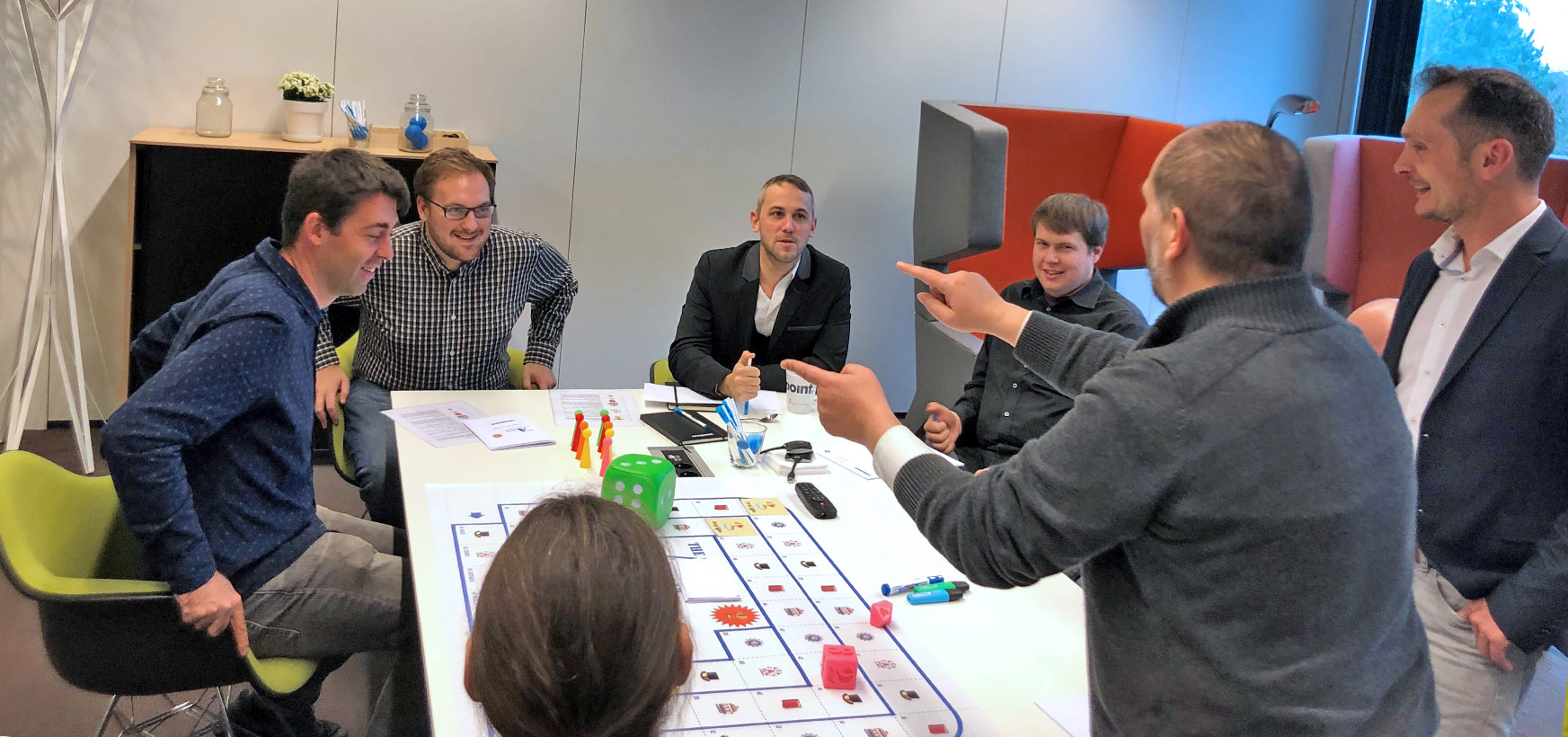
The terms “freelancer” and “consultant” are sometimes confused, but there is a key difference. A freelancer is self-employed and not necessarily committed to one particular employer or company on a long-term basis. A consultant, on the other hand, is not self-employed, and has a permanent contract with a consulting firm, which then sends them to the client (with whom the consultant does not have a contract) for a fee.
Types of consultant
There are two types of consultant: internal and external. Internal consultants provide expert advice to the company that employs them, while external consultants work with clients who pay a fee to the firm that employs the consultant.
Consultants can be internal or external |
Big consulting firms often hire more consultants than they need at a given time. This is because they are anticipating an increase in demand at certain points in the year (e.g. in the new year, after the summer…). Because of this, consultants may be hired when there is no mission actually ready for them: it’s like sitting on the bench for a sports match, waiting to come on.
What does being “on the bench” mean for a consultant?
Essentially, being on the bench means you have to wait for work. In the meantime, you’re likely to be given smaller projects which are less satisfying and fulfilling, such as providing support or maintaining applications. This kind of project unfortunately offers little opportunity for you to use your skills or develop professionally. Some agencies promise the consultants that they will be able to follow training while they’re on the bench. Due to poor planning, however, this doesn’t always happen.
Ending up working on a project you’re not very interested in is far from ideal and can lead to frustration and boredom. It also means a firm isn’t using its resources efficiently, as someone who is an expert in their field could be given a small, less meaningful project where their skills are not used to the full potential. This kind of task could be given to a more junior employee instead.

What’s the solution?
Some companies have found an excellent way to address this issue. Before hiring any consultants, they make sure to plan a meaningful internal project for them to take care of when they arrive. This turns the frustration of the “bench” into more interesting work that has been planned and arranged.
The external element of the job involves being sent on a mission to a client: this is the main reason for hiring a consultant. As well as this, however, all consultants hired with a contract have an internal mission which offers them enough of a challenge to keep them motivated and which fits the way they wish for their career to develop.
Consultant’s jackpot:
|
This is exactly how onepoint works. onepoint is a Belgian branch of a large French consulting firm, well known on the French market. The fact that onepoint’s mother company has a good reputation makes it easier for it to win big clients in Belgium, which is a relatively new market for them (onepoint has been present in Belgium since 2016). This in turn ensures continuity of missions for consultants.
In addition, onepoint has a second, internal role for every consultant hired on a permanent contract. An Agile Coach, for example, will not simply consult clients, but also be in charge of building the team at onepoint. They will coach this team, gaining a better internal knowledge in the process.
It’s logical that a company that cares about their consultants enough to prepare fulfilling work for them is also more likely to invest time in them generally. Training is at the heart of how onepoint works. Some people have been hired just after finishing a theoretical course, as they wished to change career. Visit their page on MyNextCompany to see the testimonials of Corentin, Eric and Julien, for whom onepoint made it possible to learn on the job.
It’s clear that Belgium is a great place to work as an IT consultant. Companies are keen to offer development opportunities for consultants, showing they value their skills and work. Talented candidates should not end up having to sit on the bench, completing uninteresting projects while waiting for something else to come along. You just need to find a firm that’s right for you and which will help take your career in the right direction!
Next step: Find the right company
Discover bevopr.io, a Belgian platform that will show you the companies that fit your needs, along with the match percentage. All you have to do is like, match, and chat. No need to update and upload your CV either!
The post The Top Reason Why Belgium Is a Good Place for IT Consultants appeared first on MyNextCompany.
]]>Deprecated: Using null as the key parameter for array_key_exists() is deprecated, use an empty string instead in /home/clearsou/mynextcompany.eu/wp-content/plugins/sitepress-multilingual-cms/vendor/wpml/fp/core/Obj.php on line 98
Deprecated: Using null as an array offset is deprecated, use an empty string instead in /home/clearsou/mynextcompany.eu/wp-includes/class-wp-block-type-registry.php on line 168
Deprecated: Using null as an array offset is deprecated, use an empty string instead in /home/clearsou/mynextcompany.eu/wp-includes/class-wp-block-type-registry.php on line 168
Deprecated: Using null as an array offset is deprecated, use an empty string instead in /home/clearsou/mynextcompany.eu/wp-includes/class-wp-block-type-registry.php on line 168
Deprecated: Using null as an array offset is deprecated, use an empty string instead in /home/clearsou/mynextcompany.eu/wp-includes/class-wp-block-type-registry.php on line 168
Deprecated: Using null as an array offset is deprecated, use an empty string instead in /home/clearsou/mynextcompany.eu/wp-includes/class-wp-block-type-registry.php on line 168
Deprecated: Using null as the key parameter for array_key_exists() is deprecated, use an empty string instead in /home/clearsou/mynextcompany.eu/wp-content/plugins/sitepress-multilingual-cms/vendor/wpml/fp/core/Obj.php on line 98
Deprecated: Using null as an array offset is deprecated, use an empty string instead in /home/clearsou/mynextcompany.eu/wp-includes/class-wp-block-type-registry.php on line 168
Deprecated: Using null as an array offset is deprecated, use an empty string instead in /home/clearsou/mynextcompany.eu/wp-includes/class-wp-block-type-registry.php on line 168
Deprecated: Using null as an array offset is deprecated, use an empty string instead in /home/clearsou/mynextcompany.eu/wp-includes/class-wp-block-type-registry.php on line 168
Deprecated: Using null as an array offset is deprecated, use an empty string instead in /home/clearsou/mynextcompany.eu/wp-includes/class-wp-block-type-registry.php on line 168
The post The Reality of the Developer Market in Belgium appeared first on MyNextCompany.
]]>Deprecated: Using null as an array offset is deprecated, use an empty string instead in /home/clearsou/mynextcompany.eu/wp-includes/class-wp-block-type-registry.php on line 168
Deprecated: Using null as the key parameter for array_key_exists() is deprecated, use an empty string instead in /home/clearsou/mynextcompany.eu/wp-content/plugins/sitepress-multilingual-cms/vendor/wpml/fp/core/Obj.php on line 98
Deprecated: Using null as an array offset is deprecated, use an empty string instead in /home/clearsou/mynextcompany.eu/wp-includes/class-wp-block-type-registry.php on line 168
Deprecated: Using null as an array offset is deprecated, use an empty string instead in /home/clearsou/mynextcompany.eu/wp-includes/class-wp-block-type-registry.php on line 168
Deprecated: Using null as an array offset is deprecated, use an empty string instead in /home/clearsou/mynextcompany.eu/wp-includes/class-wp-block-type-registry.php on line 168
Deprecated: Using null as an array offset is deprecated, use an empty string instead in /home/clearsou/mynextcompany.eu/wp-includes/class-wp-block-type-registry.php on line 168
Deprecated: Creation of dynamic property ET_Builder_Module_Helper_MultiViewOptions::$inherited_props is deprecated in /home/clearsou/mynextcompany.eu/wp-content/themes/Divi/includes/builder/module/helpers/MultiViewOptions.php on line 686
Deprecated: Creation of dynamic property ET_Builder_Module_Helper_MultiViewOptions::$inherited_props is deprecated in /home/clearsou/mynextcompany.eu/wp-content/themes/Divi/includes/builder/module/helpers/MultiViewOptions.php on line 686
Deprecated: Creation of dynamic property ET_Builder_Module_Helper_MultiViewOptions::$inherited_props is deprecated in /home/clearsou/mynextcompany.eu/wp-content/themes/Divi/includes/builder/module/helpers/MultiViewOptions.php on line 686

The profession of developer is experiencing unprecedented growth and is now one of the most sought-after in Belgium. However, there is a shortage of candidates in this sector. This can be explained by several factors.
Reasons for the shortage
The Belgian job market is suffering from a real shortage of developers; indeed, almost 16,000 more than the current number are required. This can be partly explained by a lack of training.
Lack of training
With the rise of the internet and the many advancements in technology, a large number of programming languages have been created and are constantly being improved and updated. However, most training courses are unable to keep pace with this frenetic development. What’s more, the more the sector evolves, the more important it is for the developer’s skills and knowledge to do the same.

Popularity of the few
Still, even with all the new technologies emerging, the key languages where the highest numbers of experts are needed have remained unchanged for several years.
Java is one of the most widely-used and best-paid languages that has dominated the market, with Javascript, PhP and .NET being highly sought-after too.
As developers are in short supply, the salaries are naturally very attractive too.
Tired of being harassed with irrelevant job offers? Take advantage of the tool that was made especially for developers. Find your next job anonymously without having to update and upload your CV. All you have to do is indicate your level of skills, like the companies that match your needs, and find the one!
Broad expertise
It is no longer just a case of mastering code; there are now several other areas in which developers need to excel in order to succeed, including user interface and design.
To help the situation, new training courses and schools are being set up in Belgium to train more students and attract more candidates to this promising profession, which offers many job opportunities.
What is also worth noting is the number of young graduates who start their own business as freelancers and who therefore become much more difficult for companies to poach. Never before have so many start-ups and companies emerged as they have over the last decade. The idea of becoming your own boss seems to appeal to more and more people. By becoming independent, they can launch their own project for agencies or advertisers, for example.
Working freelance
As a developer, you have the choice between permanent or freelance status. Each has its advantages and disadvantages.
In Belgium, over one million people were self-employed in 2017 and the figure has been rising ever since. Although permanent employees benefit from many guarantees such as employment and salary, freelancers have the advantage of being able to negotiate their price per day or per intervention and, therefore, to earn more than if they were on a permanent contract, but without any guarantee of earnings and clients. There are an increasing number of solutions to make life easier for the self-employed, such as wage portage, which can guarantee certain advantages close to those offered by salaried employment in exchange for a percentage of the remuneration.
The solution
So how do we bridge that gap between the demand and the supply? On the corporate side, recruitment agencies can offer valuable help in identifying the most interesting profiles. This solution is one of the most effective and many companies are using it to help them find the best talent.
But without waiting to be headhunted, freelancers can also reach out to agencies to get in the driver’s seat and be more proactive about finding not just a job, but most of all the right work environment. IT recruitment experts can help you find the mission that will allow you to grow, with the conditions that are important to you. In addition, working with an agency helps you avoid off-peak periods and ensures that you find your next mission before you complete your current one. MyNextCompany will be your intermediary to defend your interests and guarantee you a salary every month.
If you are a developer and are hesitating between independent or permanent status, our test below will allow you to see more clearly which option would best suit you.
The post The Reality of the Developer Market in Belgium appeared first on MyNextCompany.
]]>Deprecated: Using null as an array offset is deprecated, use an empty string instead in /home/clearsou/mynextcompany.eu/wp-includes/class-wp-block-type-registry.php on line 168
Deprecated: Using null as the key parameter for array_key_exists() is deprecated, use an empty string instead in /home/clearsou/mynextcompany.eu/wp-content/plugins/sitepress-multilingual-cms/vendor/wpml/fp/core/Obj.php on line 98
Deprecated: Using null as an array offset is deprecated, use an empty string instead in /home/clearsou/mynextcompany.eu/wp-includes/class-wp-block-type-registry.php on line 168
Deprecated: Using null as an array offset is deprecated, use an empty string instead in /home/clearsou/mynextcompany.eu/wp-includes/class-wp-block-type-registry.php on line 168
Deprecated: Using null as an array offset is deprecated, use an empty string instead in /home/clearsou/mynextcompany.eu/wp-includes/class-wp-block-type-registry.php on line 168
Deprecated: Using null as an array offset is deprecated, use an empty string instead in /home/clearsou/mynextcompany.eu/wp-includes/class-wp-block-type-registry.php on line 168
Deprecated: Creation of dynamic property ET_Builder_Module_Helper_MultiViewOptions::$inherited_props is deprecated in /home/clearsou/mynextcompany.eu/wp-content/themes/Divi/includes/builder/module/helpers/MultiViewOptions.php on line 686
Deprecated: Creation of dynamic property ET_Builder_Module_Helper_MultiViewOptions::$inherited_props is deprecated in /home/clearsou/mynextcompany.eu/wp-content/themes/Divi/includes/builder/module/helpers/MultiViewOptions.php on line 686
Deprecated: Creation of dynamic property ET_Builder_Module_Helper_MultiViewOptions::$inherited_props is deprecated in /home/clearsou/mynextcompany.eu/wp-content/themes/Divi/includes/builder/module/helpers/MultiViewOptions.php on line 686
As more and more companies are encouraging their employees to work from home in attempt to minimise the spread of the coronavirus, you might have had a reflection about the way we work.
There’s no way denying it – it is nice to swap out the long drive in traffic for a 30-second walk down the stairs to your living room. In these challenging times that people and businesses are facing right now, wouldn’t it be worth considering to turn this wave of homeworking into a more lasting shift?
Here are 6 steps to prepare for discussing with your boss in order to make frequent working from home part of your new routine.
There are two potential scenarios you could encounter. Either your company will already be equipped to allow employees this option, or you will be the first to do so and potentially set a new precedent for others. Both scenarios come with their own challenges, especially when setting up new technology or tools. To make things easier, we’ve come up with some steps to help you achieve your goal.
1. Quantify working from home
Think about how much time you’d like to spend working from home.
- Do you want to work at home in the morning and come to the office later, thus avoiding traffic, or to work from home for full days?
- Would you like to work from home on different days each week, or fix a schedule?
- Would you simply like the flexibility to work from home from time to time, eg. when awaiting a delivery or appointment?
Decide what would work best for you and build your argument around this.
2. Analyse the benefits
Working from home could also benefit your employer in several ways.
According to 85% of employers in Belgium, working from home has had a positive impact on employee retention. This fact could persuade your boss to make it a possibility for all employees.
There are also benefits in terms of productivity. 86% of employees allowed to work from home say they are at their most productive at home, with 36% claiming that they get more work done there than in the office in the same amount of time. To achieve this, it is of course vital to make sure you create a good work environment where you won’t be disturbed.
Simply turning up to work does not automatically lead to productivity, however when working from home, the time you spend working is not so important as long as you get your work done. Further, working from home can boost workplace morale and thus reduce unplanned absences and sick leave. 62% of employees state that they carry on working from home when they might have called in sick otherwise.
Time is valuable, and many employees spend an hour or more commuting to work. This time could instead be spent working, an idea your boss would appreciate. Commuting can also be stressful, and research has shown that people who commute 32 kilometres or further are more inclined to suffer from depression and anxiety and have a higher blood sugar level, so the health benefits are clear.
Finally, costs need to be considered. 60% of employers claim that, since allowing staff to work from home, they have made significant savings; these can mainly be seen in real estate, energy and fuel.
3. Understand your manager

Some managers may dislike the idea of allowing staff to work from home. For some, a sense of hierarchy is essential and not being able to be in control over what employees are doing may make them feel as though they have lost power and authority. It’s therefore important to phrase your request in a sensitive way.
For others, trust is an issue; this is especially true for older managers perhaps less used to technology and the flexibility it allows. They will often prefer for staff to be physically present in the office where they can see what they are doing.
Even if your manager matches one of these descriptions, there are still solutions to be found.
4. Analyse challenges and prepare solutions
It’s likely that your manager may have considered some potential problems with working from home. Make your own list, along with suggested solutions for each.
In terms of planning, your manager might be concerned about how efficient you will be. There are various pieces of software and other tools such as Jura which enable you to plan work a couple of weeks in advance, and results can then be assessed based on this. Scrum can be a helpful tool to ensure staff are productive and efficient. There are even certain free options!
Structure is crucial. To achieve this, you could offer to email your boss every morning when working from home, listing what you did the previous day, what you plan to do today and any issues you encountered. That way, you are being honest and transparent with your boss so they know exactly what is going on.
To guarantee productivity, technology is also essential. You might need to look into getting a work laptop or phone if you don’t already have one, or maybe suggest using Slack or Google Hangouts to communicate. It’s vital that you have a strong internet connection at home, and a secure network to protect your communications.
5. Consider a dry run
To help persuade your manager that working from home can function well, suggest a trial period. Practise working using the tools you’d have at home, but while still in the office. Set a deadline to assess whether the trial was successful or not and whether any changes need to be made.
6. Plan the meeting
The first step to a successful meeting is planning your pitch and gathering facts. These will help convince your boss that your argument is solid. Then, set a date for the meeting. Practise your pitch with friends and family, or even in the mirror. That way, you’ll feel less nervous on the day.

When the meeting arrives, try to avoid any confrontation and remain factual, not emotional, so your arguments are clear. Remember to be polite too: you’re not automatically entitled to work from home, so don’t assume you are. Then, all that’s left to do is wait for their decision, which may not be instant. Agree on a timeframe, and if you haven’t heard back, follow up with your boss.
What if all fails?
It’s clear that working from home offers benefits to both employees and employers. Despite this, not everyone agrees, so you may not get the answer you’re hoping for. In case this happens, make sure you consider other options. It could be the perfect time to start a new career!
The post How to Ask Your Boss to Work from Home appeared first on MyNextCompany.
]]>Deprecated: Using null as an array offset is deprecated, use an empty string instead in /home/clearsou/mynextcompany.eu/wp-includes/class-wp-block-type-registry.php on line 168
Deprecated: Using null as the key parameter for array_key_exists() is deprecated, use an empty string instead in /home/clearsou/mynextcompany.eu/wp-content/plugins/sitepress-multilingual-cms/vendor/wpml/fp/core/Obj.php on line 98
Deprecated: Using null as an array offset is deprecated, use an empty string instead in /home/clearsou/mynextcompany.eu/wp-includes/class-wp-block-type-registry.php on line 168
Deprecated: Using null as an array offset is deprecated, use an empty string instead in /home/clearsou/mynextcompany.eu/wp-includes/class-wp-block-type-registry.php on line 168
Deprecated: Using null as an array offset is deprecated, use an empty string instead in /home/clearsou/mynextcompany.eu/wp-includes/class-wp-block-type-registry.php on line 168
Deprecated: Using null as an array offset is deprecated, use an empty string instead in /home/clearsou/mynextcompany.eu/wp-includes/class-wp-block-type-registry.php on line 168
Deprecated: Creation of dynamic property ET_Builder_Module_Helper_MultiViewOptions::$inherited_props is deprecated in /home/clearsou/mynextcompany.eu/wp-content/themes/Divi/includes/builder/module/helpers/MultiViewOptions.php on line 686
Deprecated: Creation of dynamic property ET_Builder_Module_Helper_MultiViewOptions::$inherited_props is deprecated in /home/clearsou/mynextcompany.eu/wp-content/themes/Divi/includes/builder/module/helpers/MultiViewOptions.php on line 686
Deprecated: Creation of dynamic property ET_Builder_Module_Helper_MultiViewOptions::$inherited_props is deprecated in /home/clearsou/mynextcompany.eu/wp-content/themes/Divi/includes/builder/module/helpers/MultiViewOptions.php on line 686

2018 was an excellent year for the Belgian economy. Indeed, a total of 100,113 new companies (single-person or corporate structures) were created, according to the Atlas of the Creator 2019 by Graydon, UNIZO and UCM. This is the first time that the 100,000 mark has been reached in Belgium! This is an encouraging increase, with 5,032 more start-ups having been created in 2018 than in 2017, which is a 5.29% rise. As a result, the Belgian labour force has increased by over one-fifth over the last three years.
Flanders recorded the most significant increase with 58,230 starters (+11.56%), followed by Brussels (+5.33%) and Wallonia, which continues to stagnate (-0,20%).
 “There are many extremely positive initiatives in Belgium, and you no longer need to have a lot of money to create your own company. There are now a number of very good Belgian acceleration/incubation programmes.” Ludovic Ampe, Helpilepsy
The case of Brussels:
In Brussels, the tech scene is booming and the city has the most new technology start-ups in Belgium. According to a study conducted by Startups.be and commissioned by Didier Gosuin, Brussels’ Minister of Economy and Employment (DéFI), Brussels has 3.4 tech start-ups per 10,000 inhabitants compared to 1.2 in Wallonia and 1.5 in Flanders.
Top 3 Brussels start-ups:
1 Woorank
Created: 2010
Users: 1 million
Employees: 21
2 Doccle
Created: 2014
Users: 1 million
Team: 13 people
3 SortList
Created: 2014 (check)
Team: 42 people
Business volume: 170 million
The situation in Wallonia:
Wallonia is not to be outdone. It now has no fewer than 300 start-ups, specialising in digital technology. A series of existing structures and initiatives aim to redefine economic models and reindustrialise Wallonia through digital technology. These include the Digital Wallonia strategic plan, which aims to “develop the international presence of players in the digital sector”. But that’s not all: in Liege, Meusivest and its Fablab, the Leansquare incubator, ID Campus and La Forge Coworking allow the burning city to create a flourishing technical and entertaining ecosystem.
Liege is an important player in the biotech/medtech sector thanks to the Bloomlife scale-up, among other things. This highly developed field of expertise in the burning city is attracting an increasing number of international companies so that they can thrive in a stable, expert environment.
Top 3 Walloon start-ups:
1 E-Peas
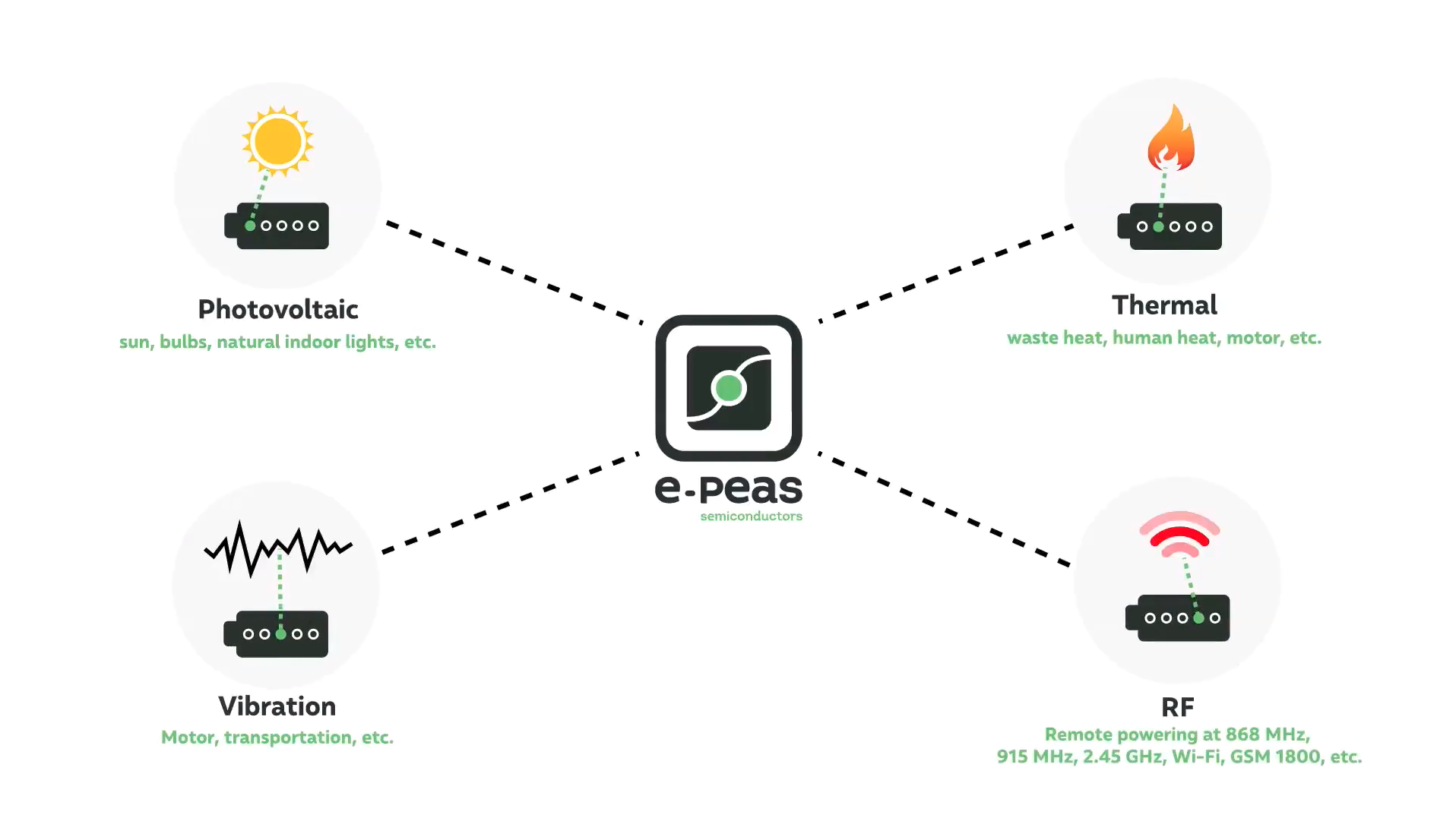
Created: 2014
2 Tricount
Created: 2011
Employees: 6
3 ALX System
Created: 2016
Team: 15
The scenario in Flanders:
According to the World Economic Forum and many other international spectators, Flanders is among the world’s elite in R&D and innovation. It is one of the top five regions in Europe in terms of knowledge. Its strategic research centres – imec, VIB, Flanders Make and VITO – are known worldwide. Flanders ranks in the top 15 regions in the world for “business expenditure on R&D”, “availability of the latest technologies” and “innovation capacity” (WEF Global Competitiveness Report 2017-18).
Let’s go a little more into detail with Antwerp, which is looking to become a reference “smart city” in Belgium, and even in Europe. To achieve this, it plans to work with a large number of start-ups, which offer the advantage of being flexible (tailor-made technology) and particularly innovative. This policy has enabled Antwerp to win the prestigious Global Startup Nations Award from the Global Entrepreneurship Network (GEN) in Washington. Significantly, this distinction was previously obtained by Singapore, one of the smartest cities in the world.
Take a look at the video of the CEO of ProptechLab Idriss Goossens who talks about smart cities in Belgium (and many other things!)
Antwerp has around 29,000 entrepreneurs for 524,000 inhabitants. More than 4,000 starters are born in the city every year.
Top 3 Flemish start-ups
 1 Datacamp
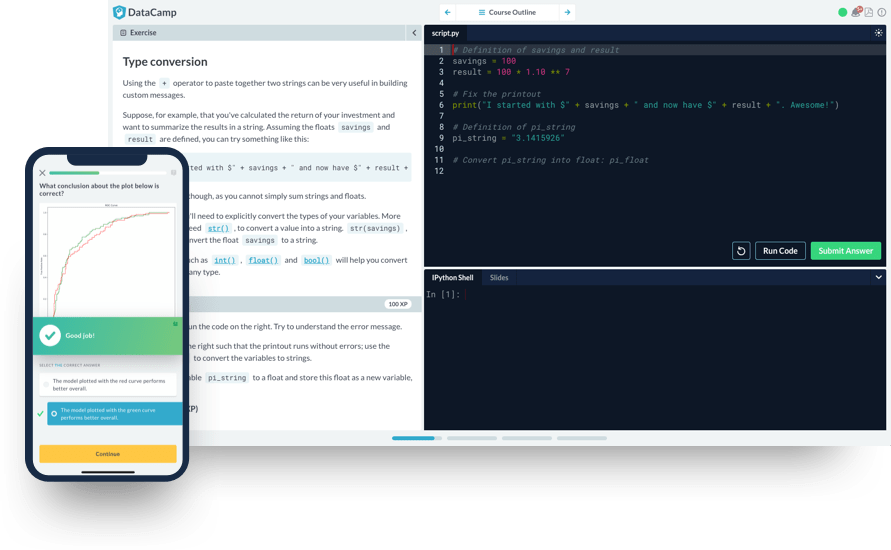
Created: 2014
4.3 million customers (learners)
2 Twoo
Created: 2011
13 million active users per month
3 Moovly
Created: 2012
Do you want to participate in an innovative project and work in a start-up that inspires you? Take our test and find out if you are really suited to working in this type of environment!
The post State of Play of Start-ups in Belgium appeared first on MyNextCompany.
]]>Deprecated: Using null as the key parameter for array_key_exists() is deprecated, use an empty string instead in /home/clearsou/mynextcompany.eu/wp-content/plugins/sitepress-multilingual-cms/vendor/wpml/fp/core/Obj.php on line 98
Deprecated: Using null as an array offset is deprecated, use an empty string instead in /home/clearsou/mynextcompany.eu/wp-includes/class-wp-block-type-registry.php on line 168
Deprecated: Using null as an array offset is deprecated, use an empty string instead in /home/clearsou/mynextcompany.eu/wp-includes/class-wp-block-type-registry.php on line 168
Deprecated: Using null as an array offset is deprecated, use an empty string instead in /home/clearsou/mynextcompany.eu/wp-includes/class-wp-block-type-registry.php on line 168
Deprecated: Using null as an array offset is deprecated, use an empty string instead in /home/clearsou/mynextcompany.eu/wp-includes/class-wp-block-type-registry.php on line 168
Deprecated: Using null as an array offset is deprecated, use an empty string instead in /home/clearsou/mynextcompany.eu/wp-includes/class-wp-block-type-registry.php on line 168
Deprecated: Using null as the key parameter for array_key_exists() is deprecated, use an empty string instead in /home/clearsou/mynextcompany.eu/wp-content/plugins/sitepress-multilingual-cms/vendor/wpml/fp/core/Obj.php on line 98
Deprecated: Using null as an array offset is deprecated, use an empty string instead in /home/clearsou/mynextcompany.eu/wp-includes/class-wp-block-type-registry.php on line 168
Deprecated: Using null as an array offset is deprecated, use an empty string instead in /home/clearsou/mynextcompany.eu/wp-includes/class-wp-block-type-registry.php on line 168
Deprecated: Using null as an array offset is deprecated, use an empty string instead in /home/clearsou/mynextcompany.eu/wp-includes/class-wp-block-type-registry.php on line 168
Deprecated: Using null as an array offset is deprecated, use an empty string instead in /home/clearsou/mynextcompany.eu/wp-includes/class-wp-block-type-registry.php on line 168
The post Freelance and Permanent – Can You Have the Best of Both Worlds? appeared first on MyNextCompany.
]]>Deprecated: Using null as an array offset is deprecated, use an empty string instead in /home/clearsou/mynextcompany.eu/wp-includes/class-wp-block-type-registry.php on line 168
Deprecated: Using null as the key parameter for array_key_exists() is deprecated, use an empty string instead in /home/clearsou/mynextcompany.eu/wp-content/plugins/sitepress-multilingual-cms/vendor/wpml/fp/core/Obj.php on line 98
Deprecated: Using null as an array offset is deprecated, use an empty string instead in /home/clearsou/mynextcompany.eu/wp-includes/class-wp-block-type-registry.php on line 168
Deprecated: Using null as an array offset is deprecated, use an empty string instead in /home/clearsou/mynextcompany.eu/wp-includes/class-wp-block-type-registry.php on line 168
Deprecated: Using null as an array offset is deprecated, use an empty string instead in /home/clearsou/mynextcompany.eu/wp-includes/class-wp-block-type-registry.php on line 168
Deprecated: Using null as an array offset is deprecated, use an empty string instead in /home/clearsou/mynextcompany.eu/wp-includes/class-wp-block-type-registry.php on line 168
Deprecated: Creation of dynamic property ET_Builder_Module_Helper_MultiViewOptions::$inherited_props is deprecated in /home/clearsou/mynextcompany.eu/wp-content/themes/Divi/includes/builder/module/helpers/MultiViewOptions.php on line 686
Deprecated: Creation of dynamic property ET_Builder_Module_Helper_MultiViewOptions::$inherited_props is deprecated in /home/clearsou/mynextcompany.eu/wp-content/themes/Divi/includes/builder/module/helpers/MultiViewOptions.php on line 686
Deprecated: Creation of dynamic property ET_Builder_Module_Helper_MultiViewOptions::$inherited_props is deprecated in /home/clearsou/mynextcompany.eu/wp-content/themes/Divi/includes/builder/module/helpers/MultiViewOptions.php on line 686

The freelance economy is growing rapidly; so rapidly, in fact, that if it continues at the current rate, it’s estimated that freelancers will make up over 50% of the total workforce by 2027. Both freelance and permanent work have their own advantages and disadvantages, so in this article, we’ll examine some of the benefits both offer, and how you can take the best parts from each to create a situation that suits you.
Benefits of freelance work
 1. Money
A key advantage of freelance work is that your daily rate will jump up, even once income tax has been deducted. Working as a freelancer comes with lower operating costs, so more of the fee paid by the client goes directly into your pocket.
But permanent work also offers financial advantages. The most crucial of these is regular pay, including when you’re on holiday or off sick. There’s also a chance you could receive bonuses or incentives, or commission if you make a certain number of sales.
2. Control over your career
In general, freelancers have greater control over how their career develops. This is because they can monitor and adapt the direction their career is heading in while working on short-term projects.
However, permanent employees can enjoy this control, too. Some companies understand and appreciate that their employees need variety and change to allow them to grow and develop, so they stay at the company for longer. To keep employees engaged for longer, they offer opportunities for staff to go on courses or rotate roles internally.
3. Autonomy
Freelancers enjoy complete autonomy over their projects, choosing which ones they accept. As the only point of contact with their client, they have a clear overview of their project. Autonomy also comes in flexibility in terms of when and where they work, with freelancers often working remotely.

Now, however, lots of companies are beginning to offer employees greater flexibility in their working environment. They reward employees who show initiative and entrepreneurship, so motivation comes from the employees themselves.
4. No bureaucratic overheads
One thing people might dislike about their workplace is the hierarchy that’s in place. Some companies have a complex organisational structure with 9 or more reporting levels, and others have rules about who employees may or may not contact directly. This has a negative impact on communication as things move slowly, and offers few chances for newer employees to learn from more experienced colleagues.
If direct communication is more your thing and you don’t appreciate rules limiting your efficiency, freelance work would most likely suit you better, or perhaps a permanent role within an environment with a flat hierarchy.
Benefits of a permanent position
1. Security
Just as with freelance work, the key benefit of permanent work is financial. You enjoy financial security, knowing when you will get paid and that it will be the same amount each month.
Freelancers, however, risk being the first person a company gets rid of when savings need to be made.
2. Team environment
Humans are social animals by nature. Once you find a workplace with a company culture that suits you, you might even feel like it’s an extension of your family. You know your colleagues on a personal level, which makes you feel like you’re part of something bigger. It also makes you work more efficiently, because you know exactly who to ask when you need information about or help with something specific.
With freelance work, though, your clients and projects change every few months, meaning you never really get to experience this personal connection and team environment, and have to find your way by yourself.
3. Education
If a company has made the effort to select and hire you on a permanent basis, they will be eager to keep you for a long time. This means they’ll be willing to invest in you, perhaps providing training programmes and courses which aren’t available to freelancers.
 However, it’s equally important for freelancers to keep up to date with new technology and tools, especially if you’re working in a technical position. The industry changes rapidly, so if you want to keep being offered projects and stand out from the competition, it’s crucial to keep improving and expanding your skills.
4. Mentoring
Another key benefit of permanent work is being able to learn from colleagues and take advantage of their knowledge. Working with experts in an environment with open communication channels allows you to learn a lot.
As a freelancer, though, you’re expected to spend all your time bringing benefits to the company that hired you, leaving little time for you to learn on the job.
How can I make the most of both?
With all of that in mind, how can you combine the benefits of freelance and permanent work? The key is either to work as a freelancer and improve some of the disadvantages of freelance status, or work in a permanent role and enhance some of the less desirable elements of that. Let’s break the two solutions down.
Temporary contract with permanent benefits
This solution can offer the following benefits usually linked with permanent jobs:
- Financial security: If you work with a recruitment agency, they will be responsible for paying your invoices. This means you don’t need to worry about clients who try to elongate the payment period.
- Education: Taking a course on your own can be expensive and time-consuming, but this doesn’t mean you can’t do it. Try online platforms like NHA, which sometimes offer discounts on courses. You could also go to peer-organised events like meetups to learn more from others, or alternatively take free courses without going through the paid certification at the end of it. At first, it might be difficult to secure a project which requires a skill you don’t have a certification for, but all it takes is for one employer to give you the benefit of the doubt. After that, your portfolio will grow and your CV will speak for itself.
- Stability and team environment: As a freelancer, you can still enjoy both of these. Why not look for longer-term missions? These will offer you a sense of stability and you’ll get to know your team better. Some companies favour longer missions, including MediaMarkt and Red Cross. You can also create your own opportunities to lengthen your contract – write a plan of suggested improvements you could make and present it to the manager before your project is complete. Another option is to work with an agency; they can negotiate the length of your mission with your client.
To conclude…
It’s clear that there doesn’t have to be a black and white divide between freelance and permanent work. If you want to have the best of both worlds, there are plenty of possibilities open to you that offer exactly that. Grab the opportunity now and find a position that suits you perfectly.
The post Freelance and Permanent – Can You Have the Best of Both Worlds? appeared first on MyNextCompany.
]]>