Deprecated: Using null as an array offset is deprecated, use an empty string instead in /home/clearsou/mynextcompany.eu/wp-includes/class-wp-block-type-registry.php on line 168
Deprecated: Using null as the key parameter for array_key_exists() is deprecated, use an empty string instead in /home/clearsou/mynextcompany.eu/wp-content/plugins/sitepress-multilingual-cms/vendor/wpml/fp/core/Obj.php on line 98
Deprecated: Using null as an array offset is deprecated, use an empty string instead in /home/clearsou/mynextcompany.eu/wp-includes/class-wp-block-type-registry.php on line 168
Deprecated: Using null as an array offset is deprecated, use an empty string instead in /home/clearsou/mynextcompany.eu/wp-includes/class-wp-block-type-registry.php on line 168
Deprecated: Using null as an array offset is deprecated, use an empty string instead in /home/clearsou/mynextcompany.eu/wp-includes/class-wp-block-type-registry.php on line 168
Deprecated: Using null as an array offset is deprecated, use an empty string instead in /home/clearsou/mynextcompany.eu/wp-includes/class-wp-block-type-registry.php on line 168
Deprecated: Creation of dynamic property ET_Builder_Section::$_original_content is deprecated in /home/clearsou/mynextcompany.eu/wp-content/themes/Divi/includes/builder/class-et-builder-element.php on line 1315
Deprecated: Creation of dynamic property ET_Builder_Module_Field_Border::$template is deprecated in /home/clearsou/mynextcompany.eu/wp-content/themes/Divi/includes/builder/module/field/Border.php on line 48
Deprecated: Creation of dynamic property ET_Builder_Module_Helper_MultiViewOptions::$inherited_props is deprecated in /home/clearsou/mynextcompany.eu/wp-content/themes/Divi/includes/builder/module/helpers/MultiViewOptions.php on line 686
Deprecated: Creation of dynamic property ET_Builder_Module_Field_Divider::$count is deprecated in /home/clearsou/mynextcompany.eu/wp-content/themes/Divi/includes/builder/main-structure-elements.php on line 1498
Deprecated: Creation of dynamic property ET_Builder_Row::$_original_content is deprecated in /home/clearsou/mynextcompany.eu/wp-content/themes/Divi/includes/builder/class-et-builder-element.php on line 1315
Deprecated: Creation of dynamic property ET_Builder_Column::$_original_content is deprecated in /home/clearsou/mynextcompany.eu/wp-content/themes/Divi/includes/builder/class-et-builder-element.php on line 1315
Deprecated: Creation of dynamic property ET_Builder_Module_Image::$text_shadow is deprecated in /home/clearsou/mynextcompany.eu/wp-content/themes/Divi/includes/builder/class-et-builder-element.php on line 1315
Deprecated: Creation of dynamic property ET_Builder_Module_Image::$margin_padding is deprecated in /home/clearsou/mynextcompany.eu/wp-content/themes/Divi/includes/builder/class-et-builder-element.php on line 1315
Deprecated: Creation of dynamic property ET_Builder_Module_Image::$_additional_fields_options is deprecated in /home/clearsou/mynextcompany.eu/wp-content/themes/Divi/includes/builder/class-et-builder-element.php on line 1315
Deprecated: Creation of dynamic property ET_Builder_Module_Image::$_original_content is deprecated in /home/clearsou/mynextcompany.eu/wp-content/themes/Divi/includes/builder/class-et-builder-element.php on line 1315
Deprecated: Creation of dynamic property ET_Builder_Module_Helper_MultiViewOptions::$inherited_props is deprecated in /home/clearsou/mynextcompany.eu/wp-content/themes/Divi/includes/builder/module/helpers/MultiViewOptions.php on line 686
Deprecated: Creation of dynamic property ET_Builder_Module_Text::$text_shadow is deprecated in /home/clearsou/mynextcompany.eu/wp-content/themes/Divi/includes/builder/class-et-builder-element.php on line 1315
Deprecated: Creation of dynamic property ET_Builder_Module_Text::$margin_padding is deprecated in /home/clearsou/mynextcompany.eu/wp-content/themes/Divi/includes/builder/class-et-builder-element.php on line 1315
Deprecated: Creation of dynamic property ET_Builder_Module_Text::$_additional_fields_options is deprecated in /home/clearsou/mynextcompany.eu/wp-content/themes/Divi/includes/builder/class-et-builder-element.php on line 1315
Deprecated: Creation of dynamic property ET_Builder_Module_Text::$_original_content is deprecated in /home/clearsou/mynextcompany.eu/wp-content/themes/Divi/includes/builder/class-et-builder-element.php on line 1315
Deprecated: Creation of dynamic property ET_Builder_Module_Helper_MultiViewOptions::$inherited_props is deprecated in /home/clearsou/mynextcompany.eu/wp-content/themes/Divi/includes/builder/module/helpers/MultiViewOptions.php on line 686

Recruitment turned a corner in the early 2000s with the arrival of social and professional networks (creation of LinkedIn in 2003). The search for new talent is now easier and makes it possible to connect companies and candidates more quickly.
The talent war
In 2019, however, the competition between companies to find the best talent is becoming increasingly fierce. Candidates with “rarer” skills, such as developers, are highly sought-after and even harassed. As a result, most of them decide to hide and are almost inaccessible.
Employer branding as a solution
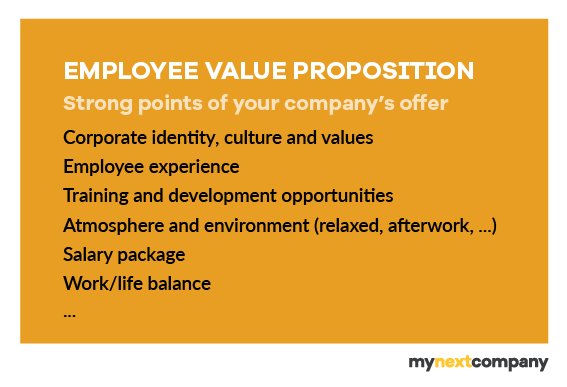
Traditional recruitment is therefore no longer sufficient to find these rare talents. So what’s the solution? One approach that has already proved its worth is to create an employer branding strategy in order to attract the right candidates by highlighting the many, often underestimated advantages your company offers (jointly named Employee Value Proposition), such as:
- Corporate identity, culture and values
- Employee experience
- Training and development opportunities
- Atmosphere and environment (relaxed, afterwork, …)
- Salary package
- Work/life balance
Why implement this strategy?
By showcasing these different aspects of your company, you will build a strong and authentic brand image.
Thanks to your employer branding, future employees will have a clear vision of what your company is really like.
Moreover, companies that invest in an employer branding strategy have more motivated and effective employees, who then become real ambassadors for the company.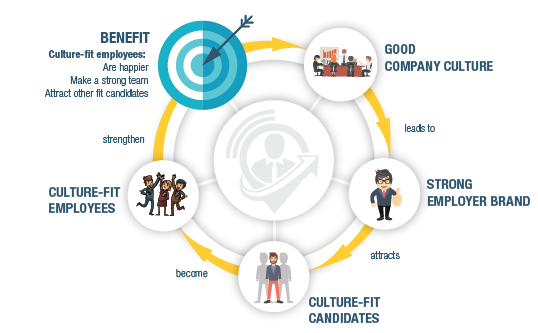
Conclusion
Employer branding is a virtuous circle. Working on your corporate culture and investing in your employees’ wellbeing will enable you to obtain a strong employer brand. This in turn will attract and strengthen your company culture. You will reap many benefits, such as happy and committed employees who will position themselves as ambassadors for your brand and in turn attract other candidates of the same calibre.
It’s therefore clear that traditional recruitment is no longer sufficient. This is why the Smart Recruiting ® method was created. It combines employer branding and inbound recruitment for fast, efficient and qualitative recruitment. Download our free ebook below to discover how to find and retain the talent you need!
The post How Can Employer Branding Help You Attract the right Talent appeared first on MyNextCompany.
]]>Deprecated: Using null as an array offset is deprecated, use an empty string instead in /home/clearsou/mynextcompany.eu/wp-includes/class-wp-block-type-registry.php on line 168
Deprecated: Using null as the key parameter for array_key_exists() is deprecated, use an empty string instead in /home/clearsou/mynextcompany.eu/wp-content/plugins/sitepress-multilingual-cms/vendor/wpml/fp/core/Obj.php on line 98
Deprecated: Using null as an array offset is deprecated, use an empty string instead in /home/clearsou/mynextcompany.eu/wp-includes/class-wp-block-type-registry.php on line 168
Deprecated: Using null as an array offset is deprecated, use an empty string instead in /home/clearsou/mynextcompany.eu/wp-includes/class-wp-block-type-registry.php on line 168
Deprecated: Using null as an array offset is deprecated, use an empty string instead in /home/clearsou/mynextcompany.eu/wp-includes/class-wp-block-type-registry.php on line 168
Deprecated: Using null as an array offset is deprecated, use an empty string instead in /home/clearsou/mynextcompany.eu/wp-includes/class-wp-block-type-registry.php on line 168
Deprecated: Creation of dynamic property ET_Builder_Module_Helper_MultiViewOptions::$inherited_props is deprecated in /home/clearsou/mynextcompany.eu/wp-content/themes/Divi/includes/builder/module/helpers/MultiViewOptions.php on line 686
Deprecated: Creation of dynamic property ET_Builder_Module_Helper_MultiViewOptions::$inherited_props is deprecated in /home/clearsou/mynextcompany.eu/wp-content/themes/Divi/includes/builder/module/helpers/MultiViewOptions.php on line 686
Deprecated: Creation of dynamic property ET_Builder_Module_Helper_MultiViewOptions::$inherited_props is deprecated in /home/clearsou/mynextcompany.eu/wp-content/themes/Divi/includes/builder/module/helpers/MultiViewOptions.php on line 686

Growing your business significantly brings both excitement and pressure. Of course, being able to grow your business means it is successful. You might be about to scale up a booming startup, or perhaps you’re an executive in a well established company that’s looking to branch out to new challenges and projects.

When expanding your business, it’s vital to recruit people with the right skills and personality. There are many circumstances to consider, and often opportunities are time-sensitive, which means that you need to increase your headcount quickly. However, growing your workforce in the right way is key to the continued success of your business.
What is the best way to prepare your business to meet the needs and challenges that expansion brings?
Let’s take a look at the three key points.
Identifying your recruitment needs
First of all, know exactly what you need in order to be able to get it.
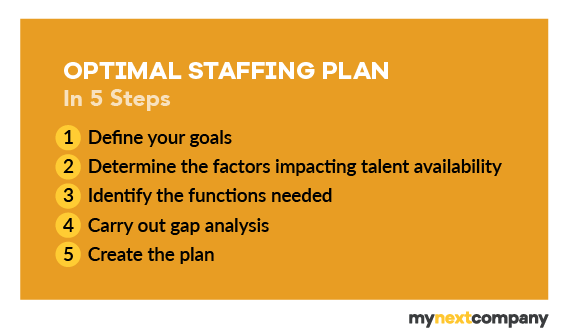
Make sure to allocate sufficient time to building your staffing plan. From identifying your organisation’s goals and function needs to assessing the skill sets you currently have and those ones you’re missing, creating a staffing plan is critical to ensuring you get the right people onboard. Follow these steps to start working on your staffing plan.
- Define your goals
- Determine the factors impacting talent availability
- Identify the functions needed
- Carry out gap analysis
- Create the plan
Choosing a recruitment agency you can trust
People can make or break your business. To quote Larry Bossidy, a businessman who spent three decades rising through the executive positions at General Electric before becoming a CEO at Honeywell,
“At the end of the day you bet on people, not on strategies.”
It’s therefore crucial to find a trusted partner for your recruitment needs. What you need is an agency that makes the effort to get to know your company so they can understand your business, and one that stays up to date with the newest trends and technologies so they can offer you the smartest, most efficient ways of working.
It’s essential to trust your agency in order to make them a true partner in your quest to hire people who will help your business flourish. It’s also important to be able to share your long-term goals with your agency.
Sharing your staffing plan with your agency
A study from the Harvard Business Review suggests that companies should disclose more actionable information around competitive positioning, corporate purpose and strategic partnerships as a resource for companies, investors and researchers. The study shows that companies that do so have significantly larger market reactions than those that don’t.
In the right hands, transparency regarding your recruitment goals helps the agency to plan around your future hiring needs. Technological developments offer recruiters an array of tools to reach the right candidates for you.
This is especially important when it comes to professions that are in high demand, such as IT or engineering roles. Rather than fishing in the same small pond, some recruitment companies use digital tools to attract candidates and help them shift from passive (not actively looking for a job, but potentially interested in new opportunities) to active. This process takes time, however, so it’s vital to contact a recruitment agency at an early stage.
Conclusion
It is therefore clear that the key to successful business growth lies in recruitment. Once you have a staffing plan in place, you’ve made the first step towards attracting the talent you seek. Select the right recruitment agency for your company and share your staffing plan and goals with them, and you will soon reap the benefits of business growth long into the future of your company.
Discover Smart Recruiting®, a method that combines digital tools and marketing strategy for fast, efficient, and qualitative recruitment. Click on the button below for more information.
The post The Best Strategy for Intense Workforce Growth appeared first on MyNextCompany.
]]>Deprecated: Using null as an array offset is deprecated, use an empty string instead in /home/clearsou/mynextcompany.eu/wp-includes/class-wp-block-type-registry.php on line 168
Deprecated: Using null as the key parameter for array_key_exists() is deprecated, use an empty string instead in /home/clearsou/mynextcompany.eu/wp-content/plugins/sitepress-multilingual-cms/vendor/wpml/fp/core/Obj.php on line 98
Deprecated: Using null as an array offset is deprecated, use an empty string instead in /home/clearsou/mynextcompany.eu/wp-includes/class-wp-block-type-registry.php on line 168
Deprecated: Using null as an array offset is deprecated, use an empty string instead in /home/clearsou/mynextcompany.eu/wp-includes/class-wp-block-type-registry.php on line 168
Deprecated: Using null as an array offset is deprecated, use an empty string instead in /home/clearsou/mynextcompany.eu/wp-includes/class-wp-block-type-registry.php on line 168
Deprecated: Using null as an array offset is deprecated, use an empty string instead in /home/clearsou/mynextcompany.eu/wp-includes/class-wp-block-type-registry.php on line 168
Deprecated: Creation of dynamic property ET_Builder_Module_Helper_MultiViewOptions::$inherited_props is deprecated in /home/clearsou/mynextcompany.eu/wp-content/themes/Divi/includes/builder/module/helpers/MultiViewOptions.php on line 686
Deprecated: Creation of dynamic property ET_Builder_Module_Helper_MultiViewOptions::$inherited_props is deprecated in /home/clearsou/mynextcompany.eu/wp-content/themes/Divi/includes/builder/module/helpers/MultiViewOptions.php on line 686
Deprecated: Creation of dynamic property ET_Builder_Module_Helper_MultiViewOptions::$inherited_props is deprecated in /home/clearsou/mynextcompany.eu/wp-content/themes/Divi/includes/builder/module/helpers/MultiViewOptions.php on line 686

Finding the right person with the right hard skills can be very complex. Due to the raging talent war, many managers decide to compromise by putting soft skills aside. However, soft skills or culture-fit should never be sacrificed in favour of hard skills.
Are hard skills outdated?
It is currently difficult to recruit talent, and this is only expected to increase. Indeed, according to a report by Dell and the Institute for the Future,
85% of the jobs that will exist in 2030 do not exist yet.
It is therefore more appropriate to capitalise on soft skills. Indeed, even if a candidate does not tick all the boxes necessary to do a job but is agile and has the ability to adapt or solve problems, you can more easily train them, make them evolve and equip them with more technical skills. This is especially true in the current climate where new tools, technologies and work systems are emerging at a frenetic pace and need to be constantly updated. The real challenge is to find someone who has the potential to acquire these skills in the medium to short term.
Culture-fit
Finding the talent that fits your environment will also bring great value to your company and have a positive impact on your bottom line. Employees who integrate well into a team are happier and, as Laurence Vanhée explains,
“Being happier at work improves performance”.
Dissatisfaction and stress push people to change job more frequently. This can lead to an increase of almost 50% in turnover. This issue needs to be monitored closely in the current context of talent shortages. Finally, a good atmosphere and culture in a company attracts candidates who are compatible with the business and creates a virtuous circle.
Consequences of failed recruitment
Hiring someone who doesn’t fit your business will cost you money and waste valuable time. The recruitment process is already expensive, but laying off an employee and finding someone else is even more so. Unfortunately, this aspect is underestimated far too often.
To learn more about the real costs of failed recruitment, read our article The Real Cost of Not Finding the Right Talent.
Smaller structures
In a start-up or scale-up, soft skills and cultural compatibility are essential and relegate hard skills to the background.
For example, if a company hires an expert on a certain technology with 10 years’ experience and whose habits are already well established, how will they adapt in the event of change (which is very frequent in this type of company) or a new technology? They will certainly not be as flexible as a less experienced candidate, but one who has potential and jumps at the opportunity to train within a growing company.
Conclusion
It is vital to focus not only on hard skills. Instead, focus your energy on hiring candidates with the right DNA for your company and the ability to grow within it. Invest time in training the right people and the results will be even more positive.
But how do you attract the right candidates that will fit your corporate culture? Discover the Smart Recruiting® method, which combines Employer Branding, digital tools and marketing strategy for a targeted and qualitative recruitment. Click on the link below to learn more!
The post Soft Skills Are the New Hard Skills appeared first on MyNextCompany.
]]>Deprecated: Using null as the key parameter for array_key_exists() is deprecated, use an empty string instead in /home/clearsou/mynextcompany.eu/wp-content/plugins/sitepress-multilingual-cms/vendor/wpml/fp/core/Obj.php on line 98
Deprecated: Using null as an array offset is deprecated, use an empty string instead in /home/clearsou/mynextcompany.eu/wp-includes/class-wp-block-type-registry.php on line 168
Deprecated: Using null as an array offset is deprecated, use an empty string instead in /home/clearsou/mynextcompany.eu/wp-includes/class-wp-block-type-registry.php on line 168
Deprecated: Using null as an array offset is deprecated, use an empty string instead in /home/clearsou/mynextcompany.eu/wp-includes/class-wp-block-type-registry.php on line 168
Deprecated: Using null as an array offset is deprecated, use an empty string instead in /home/clearsou/mynextcompany.eu/wp-includes/class-wp-block-type-registry.php on line 168
Deprecated: Using null as an array offset is deprecated, use an empty string instead in /home/clearsou/mynextcompany.eu/wp-includes/class-wp-block-type-registry.php on line 168
Deprecated: Using null as the key parameter for array_key_exists() is deprecated, use an empty string instead in /home/clearsou/mynextcompany.eu/wp-content/plugins/sitepress-multilingual-cms/vendor/wpml/fp/core/Obj.php on line 98
Deprecated: Using null as an array offset is deprecated, use an empty string instead in /home/clearsou/mynextcompany.eu/wp-includes/class-wp-block-type-registry.php on line 168
Deprecated: Using null as an array offset is deprecated, use an empty string instead in /home/clearsou/mynextcompany.eu/wp-includes/class-wp-block-type-registry.php on line 168
Deprecated: Using null as an array offset is deprecated, use an empty string instead in /home/clearsou/mynextcompany.eu/wp-includes/class-wp-block-type-registry.php on line 168
Deprecated: Using null as an array offset is deprecated, use an empty string instead in /home/clearsou/mynextcompany.eu/wp-includes/class-wp-block-type-registry.php on line 168
The post What Happens When You Can’t Find Talent appeared first on MyNextCompany.
]]>Deprecated: Using null as an array offset is deprecated, use an empty string instead in /home/clearsou/mynextcompany.eu/wp-includes/class-wp-block-type-registry.php on line 168
Deprecated: Using null as the key parameter for array_key_exists() is deprecated, use an empty string instead in /home/clearsou/mynextcompany.eu/wp-content/plugins/sitepress-multilingual-cms/vendor/wpml/fp/core/Obj.php on line 98
Deprecated: Using null as an array offset is deprecated, use an empty string instead in /home/clearsou/mynextcompany.eu/wp-includes/class-wp-block-type-registry.php on line 168
Deprecated: Using null as an array offset is deprecated, use an empty string instead in /home/clearsou/mynextcompany.eu/wp-includes/class-wp-block-type-registry.php on line 168
Deprecated: Using null as an array offset is deprecated, use an empty string instead in /home/clearsou/mynextcompany.eu/wp-includes/class-wp-block-type-registry.php on line 168
Deprecated: Using null as an array offset is deprecated, use an empty string instead in /home/clearsou/mynextcompany.eu/wp-includes/class-wp-block-type-registry.php on line 168
Deprecated: Creation of dynamic property ET_Builder_Module_Helper_MultiViewOptions::$inherited_props is deprecated in /home/clearsou/mynextcompany.eu/wp-content/themes/Divi/includes/builder/module/helpers/MultiViewOptions.php on line 686
Deprecated: Creation of dynamic property ET_Builder_Module_Helper_MultiViewOptions::$inherited_props is deprecated in /home/clearsou/mynextcompany.eu/wp-content/themes/Divi/includes/builder/module/helpers/MultiViewOptions.php on line 686
Deprecated: Creation of dynamic property ET_Builder_Module_Helper_MultiViewOptions::$inherited_props is deprecated in /home/clearsou/mynextcompany.eu/wp-content/themes/Divi/includes/builder/module/helpers/MultiViewOptions.php on line 686

Recruitment has changed significantly in recent years, and the classical approach to recruitment is no longer enough to find the candidates you seek.
 There is a severe shortage of talent which means that, very often, when businesses need to hire new talent, have identified exactly which roles they require and have the necessary budget, they still cannot find the candidate they need.
Not being able to grow your team is a complex problem and will have different implications depending on your role in your company. Most of the consequences are linked to either time or money, but the issue can also severely impact the content and perception of your own job.
Let’s take a look at how not being able to hire the right people in time might affect your work, depending on what your role in your company is.
Implications for Hiring Managers
A hiring manager (or direct manager) is an employee who directly manages other employees and operations while reporting to a higher-ranking manager. In the context of recruitment, a hiring manager looks for candidates to fill vacancies in their own team. If you are a manager hiring for your own team, here are some of the difficulties you might experience when you cannot find the right people.

+ IMPACT ON TIME +
The implications of being understaffed will very commonly be linked to time management:
- Increasing backlog – When you are short on staff, you inevitably end up focusing on the most pressing needs in order to deal with what’s most important and urgent. However, after a period of time working with insufficient human resources, the team risks falling into a backlog of piling up work despite the best prioritisation.
- Overload for other members – As undone work is piling up, the rest of the team may need to take over some of the tasks of the unfilled positions. In such situation stress and frustration are inevitable. Your best and most valued members of staff may end up suffering due to having to compensate for the lack of people.
- Time spent on sourcing candidates – Having to continuously look for candidates for the same positions you cannot fill puts a strain on your daily tasks and those of your team, adding yet more work to an already busy schedule.
+ IMPACT ON BUDGET +
It is clear that a lack of staff can cost your team money. Even though you are not spending money on paying the salary for the position you cannot fill, you are paying in other, more considerable ways:
- Staffing loss – It’s difficult to keep people happy when your team is under so much pressure. Some of your employees might quit, and you’ll then need to spend more resources on replacing them, which creates a vicious circle.
- Operational loss – If you hire someone who turns out to be incompetent or unsuitable, you are losing the added value not received by the company compared to the investment of the paid salary, and will need to bare the costs of terminating their contract later. Find out more about this
in our article “The Real Cost of Not Finding the Right Talent”.
Implications for HR Managers
HR Managers are often in charge of many duties in their company, which may include recruitment of people to fill other managers teams. This is typically coming on top of other responsibilities such as office management, fleet management, payroll, and many others.
Additionally, some direct managers may take care of the recruitment for their teams themselves, unless they cannot find the right people easily. This could mean that the HR Manager is tasked with filling the more “tough” positions.
As an HR Manager, the key consequences of not being able to find the right candidates relate to time or the content of your everyday work.
+ IMPACT ON TIME +
Recruiting people is time-consuming, especially when there is a shortage of the sort of talent you’re looking for. You find yourself having to prioritise work coming from different departments and not let emergencies get in the way of your deadlines. This has consequences on your schedule and time management:
- Big time investment which may not pay off: Think about how many people you screen and interview and, out of these, how many were not suitable candidates for the role in question. Despite this, you still have to invest time into going through the entire recruitment process, not knowing whether it will ultimately pay off.
- Excessive multi-tasking: You have to combine dealing with internal clients, external partners, and candidates. Additionally, trying to fill difficult positions may bring you to increasing the number of recruitment agencies you work with and having to manage multiple partnerships at once, all of which disrupts your routine and can prove very time-consuming.
+ IMPACT ON YOUR EVERYDAY WORK +
As highlighted, you may find yourself having to broaden your search, which often means working with multiple agencies at once. This makes it more difficult to keep on top of all of your tasks, and indeed your overall schedule:
- Finding a trusted recruitment partner: You may be constantly getting calls from agencies, but how can you know which is the right one to work with? Not all agencies provide services of equal quality, and the services they do provide won’t all suit your requirements. This risk could mean that you have to go back to square one if your time investment doesn’t pay off.
- Implementation and management of systems: Yet another ATS (applicant tracking system) to learn how to use and take care of, not to mention setting up accounts with various platforms… All of this can take up a huge part of your schedule before you can even think about embarking on new collaborations.
All in all, not being able to find the people you need, and quickly, makes your work a lot more complex. You end up wasting time recruiting for the same position over and over. This then means that you cannot deliver to your clients, leaving them dissatisfied, while you have to juggle multiple projects and vacancies at the same time.
Conclusion
It’s therefore clear that failing to find the right people quickly and easily can have various consequences for those tasked with recruiting candidates in terms of time, money and the overall work schedule. However, the consequences are not restricted to hiring managers and HR managers; they also have a significant impact on the entire company which can affect the budget, operational performance and, perhaps most seriously, the company image and reputation.
To avoid ending up in such a situation, seek assistance from a recruitment agency that understands your company’s requirements and that can therefore help to take some of the pressure off you. Recruitment is already enough of a challenge due to the general shortage of talent, so it’s important to look for solutions that can help to make your task easier.
The post What Happens When You Can’t Find Talent appeared first on MyNextCompany.
]]>Deprecated: Using null as an array offset is deprecated, use an empty string instead in /home/clearsou/mynextcompany.eu/wp-includes/class-wp-block-type-registry.php on line 168
Deprecated: Using null as the key parameter for array_key_exists() is deprecated, use an empty string instead in /home/clearsou/mynextcompany.eu/wp-content/plugins/sitepress-multilingual-cms/vendor/wpml/fp/core/Obj.php on line 98
Deprecated: Using null as an array offset is deprecated, use an empty string instead in /home/clearsou/mynextcompany.eu/wp-includes/class-wp-block-type-registry.php on line 168
Deprecated: Using null as an array offset is deprecated, use an empty string instead in /home/clearsou/mynextcompany.eu/wp-includes/class-wp-block-type-registry.php on line 168
Deprecated: Using null as an array offset is deprecated, use an empty string instead in /home/clearsou/mynextcompany.eu/wp-includes/class-wp-block-type-registry.php on line 168
Deprecated: Using null as an array offset is deprecated, use an empty string instead in /home/clearsou/mynextcompany.eu/wp-includes/class-wp-block-type-registry.php on line 168
Deprecated: Creation of dynamic property ET_Builder_Module_Helper_MultiViewOptions::$inherited_props is deprecated in /home/clearsou/mynextcompany.eu/wp-content/themes/Divi/includes/builder/module/helpers/MultiViewOptions.php on line 686
Deprecated: Creation of dynamic property ET_Builder_Module_Helper_MultiViewOptions::$inherited_props is deprecated in /home/clearsou/mynextcompany.eu/wp-content/themes/Divi/includes/builder/module/helpers/MultiViewOptions.php on line 686
Deprecated: Creation of dynamic property ET_Builder_Module_Helper_MultiViewOptions::$inherited_props is deprecated in /home/clearsou/mynextcompany.eu/wp-content/themes/Divi/includes/builder/module/helpers/MultiViewOptions.php on line 686

So your company page already features on MyNextCompany, and a new vacancy just opened. The job ad is done and dusted, and all you’re missing is the video job description. How to record it with a smartphone or a laptop so that it looks professional and attractive to candidates? Here are 6 simple tips.
1. Have your questions ready ahead of time
- Ask your interviewee what character qualities are he/she looking for? What do you as an employer have to offer to the candidates? Have main lines in mind but don’t script the answers, if you want the video to come across as spontaneous and genuine. If you are doing the interwiew all by yourself, visualize that you are speaking to someone. Don’t forget to use facial expressions and hand-gestures.
2. Choose the best possible location
- Find a quiet, well-lit room, with as little disturbances as possible. Make sure to turn off all sources of white noise, such as air-conditioning, computers, radios, etc.
- Choose a good background, not too busy, but not necessarily an empty wall. Stay away from windows and glass walls, to avoid reflections showing in the back. If you are recording videos with multiple people, put them all in the same place. You may change the camera angle between recordings to add some variation.
3. If possible, use an external microphone
- Using your built-in microphone will most likely lead to poor audio (far more disturbing than poor video!) Instead, you can use a simple clip-on microphone, which works both on iOS and Android devices. Put the cable under the clothes and clip it to the collar. Make sure the mike doesn’t touch anything to avoid crackling sounds. Run a little test before starting to record the video to see if everything is OK.

4. Hold your device correctly
- First things first: if you’re using a smartphone or a tablet, hold it horizontally. If there is only one piece of advice we could give to our clients, it would be this one. Remember, viewers will see your movie either on a laptop with a horizontal screen, or on a mobile device they can tilt.
- Go ahead and use a tripod if you have one. Otherwise, hold the device steady with both hands, elbows resting on a table or propped against your chest.
5. Shoot at a medium distance
- Record at a distance that includes the subject’s head and torso, and does not cut off the tip of the head. Include the hands, gesturing makes the interview more interesting.
- Make sure the camera’s lens is at the same level as the subject’s eyes and it is focused on the face and not on the background.
6. Be natural
- Try to relax the interviewee. If they are tense, ask a silly question, for example “What did you have for breakfast today?” Start a new video when ready to record.
- To give encouragement to your subject, you can use facial expressions but try not to nod or say “mhm.” Nodding may make the recording device shake, and all other sounds will be heard in the recording.
- … And remember, you want to give the candidates a good idea of what it would be like to work with you. Be natural and don’t forget to have fun as well!
You tried all of these tips, and your recording is still not what you want it to be? Send us a message to ask about charges for the MyNextCompany crew to come and record it for you.
The post 6 Tips for Recording Interviews with a Mobile Device appeared first on MyNextCompany.
]]>Deprecated: Using null as an array offset is deprecated, use an empty string instead in /home/clearsou/mynextcompany.eu/wp-includes/class-wp-block-type-registry.php on line 168
Deprecated: Using null as the key parameter for array_key_exists() is deprecated, use an empty string instead in /home/clearsou/mynextcompany.eu/wp-content/plugins/sitepress-multilingual-cms/vendor/wpml/fp/core/Obj.php on line 98
Deprecated: Using null as an array offset is deprecated, use an empty string instead in /home/clearsou/mynextcompany.eu/wp-includes/class-wp-block-type-registry.php on line 168
Deprecated: Using null as an array offset is deprecated, use an empty string instead in /home/clearsou/mynextcompany.eu/wp-includes/class-wp-block-type-registry.php on line 168
Deprecated: Using null as an array offset is deprecated, use an empty string instead in /home/clearsou/mynextcompany.eu/wp-includes/class-wp-block-type-registry.php on line 168
Deprecated: Using null as an array offset is deprecated, use an empty string instead in /home/clearsou/mynextcompany.eu/wp-includes/class-wp-block-type-registry.php on line 168
Deprecated: Creation of dynamic property ET_Builder_Module_Helper_MultiViewOptions::$inherited_props is deprecated in /home/clearsou/mynextcompany.eu/wp-content/themes/Divi/includes/builder/module/helpers/MultiViewOptions.php on line 686
Deprecated: Creation of dynamic property ET_Builder_Module_Helper_MultiViewOptions::$inherited_props is deprecated in /home/clearsou/mynextcompany.eu/wp-content/themes/Divi/includes/builder/module/helpers/MultiViewOptions.php on line 686
Deprecated: Creation of dynamic property ET_Builder_Module_Helper_MultiViewOptions::$inherited_props is deprecated in /home/clearsou/mynextcompany.eu/wp-content/themes/Divi/includes/builder/module/helpers/MultiViewOptions.php on line 686

Sometimes you just need a change, right? Change can be refreshing and it keeps us alive. But it can also be scary to step out of your comfort zone and into the unknown.
Let’s take a look at some good reasons to change jobs. In some cases the choice is obvious, for example if you sense that your workplace is toxic or you don’t feel the company culture fits you. But what about leaving a job that’s not all that bad?
Changing jobs can be challenging, but there are also many benefits connected to switching careers even if your current job is good.
Here are the six top reasons to leave a perfectly good job.

1. Brand yourself
By leaving your current job and heading out onto the job market, you will get a clearer view on what the supply and demand for talent is in your field of work. You will get the opportunity to figure out what makes you stand out as a professional and how you can use this to your advantage.
In today’s era, where our ability to assimilate new information is challenged by the amount of communication and our shortening attention span, image is everything. It is said that a recruiter spends 20 seconds looking at a candidate profile, before forming an opinion whether or not the profile fits the open position.
If you want to be in control of how employers perceive you, and which employers will think you’re a good match, you need to consciously create your personal brand. Check out the eBook “The Keys to Landing your Dream Job” and learn how to brand yourself!
2. Experience different types of company culture and management
Different leadership styles go with different types of working. How do you like to work and communicate? Do you have or aspire to having a team leader or management role yourself? How would you like to be coached then? What values are important to you?
By changing jobs you get to experience different company cultures and can learn what works for you and what doesn’t.
3. Make more money
Your worth on the job market will have gone up since your previous experience. You can benefit from the seniority you have gained by changing jobs. This might be easier than claiming a raise for your seniority in the company you are currently working for.
By entering the job market your worth will become very clear and you will have a solid foundation upon which to negotiate your next salary.
4. Gain new professional skills
Remember the learning curve you went through when you started your current job?
When you change jobs, you will go through this learning curve again and gain new professional skills. This will not only help build your personal brand, but will also give you confidence in your ability to learn and adapt. Your previous skills might be of great benefit to a potential next employer too, and you can both learn by exchanging skills and knowledge.
5. Grow as a human being
By changing jobs you will get to know yourself better. You will know your strengths and areas that could be improved, and you will get better at finding a job where you are appreciated for what you do best. You will find it easier to judge whether a situation is right for you, if a company is toxic, or if it’s thriving.
6. Pursue your dreams
What is the career you really want? Is it outside your current comfort zone? Then go for it. You deserve to find a job that gives your life purpose and meaning. This might involve changing industries, cities or even countries. But if you don’t have your dream job now, the first thing to do is to leave your current job, even if it’s comfortable.
Get through the transition
Changing jobs makes us grow. By branding ourselves and gaining more experience, we become stronger professionals on the job market. We can make more money by expanding our professional horizons and keep gaining new skills and learning. By doing so we grow as human beings and help others around us grow as well.
The post 6 Reasons to Leave a Perfectly Good Job appeared first on MyNextCompany.
]]>Deprecated: Using null as an array offset is deprecated, use an empty string instead in /home/clearsou/mynextcompany.eu/wp-includes/class-wp-block-type-registry.php on line 168
Deprecated: Using null as the key parameter for array_key_exists() is deprecated, use an empty string instead in /home/clearsou/mynextcompany.eu/wp-content/plugins/sitepress-multilingual-cms/vendor/wpml/fp/core/Obj.php on line 98
Deprecated: Using null as an array offset is deprecated, use an empty string instead in /home/clearsou/mynextcompany.eu/wp-includes/class-wp-block-type-registry.php on line 168
Deprecated: Using null as an array offset is deprecated, use an empty string instead in /home/clearsou/mynextcompany.eu/wp-includes/class-wp-block-type-registry.php on line 168
Deprecated: Using null as an array offset is deprecated, use an empty string instead in /home/clearsou/mynextcompany.eu/wp-includes/class-wp-block-type-registry.php on line 168
Deprecated: Using null as an array offset is deprecated, use an empty string instead in /home/clearsou/mynextcompany.eu/wp-includes/class-wp-block-type-registry.php on line 168
Deprecated: Creation of dynamic property ET_Builder_Module_Helper_MultiViewOptions::$inherited_props is deprecated in /home/clearsou/mynextcompany.eu/wp-content/themes/Divi/includes/builder/module/helpers/MultiViewOptions.php on line 686
Deprecated: Creation of dynamic property ET_Builder_Module_Helper_MultiViewOptions::$inherited_props is deprecated in /home/clearsou/mynextcompany.eu/wp-content/themes/Divi/includes/builder/module/helpers/MultiViewOptions.php on line 686
Deprecated: Creation of dynamic property ET_Builder_Module_Helper_MultiViewOptions::$inherited_props is deprecated in /home/clearsou/mynextcompany.eu/wp-content/themes/Divi/includes/builder/module/helpers/MultiViewOptions.php on line 686

PHP is a preferred language for developing huge applications that demand a heavy user base. It is mainly applied in server-side scripting and command line scripting. Despite some limitations, it can also be used for writing desktop applications and it powers the majority of websites in the world including Facebook and WordPress.
Clearly then, PHP is a language that’s in high demand and one that can form the basis of a career. But some questions remain: as a PHP developer, where would your best career prospects lie? Where would you reach the pinnacle of success?
Benefits of working for a software house
A software house is a company which specialises in the development of software products. The focus is on developing and maintaining a complete software product, for example an application used in the banking sector.
Let’s take a look at some of the benefits to be gained from working in a software house that could boost your resume.
1. The onus of delivering top-quality code every time
In a software house, the scope of a project tends to be longer and more detailed than in a web agency. The product passes through several stages before final delivery to the client. It is therefore routine to conduct detailed testing of the products, for example through:
- Peer-to-peer review: the code is tested by fellow team members/team leads to detect flaws or non-performance issues.
- Quality assurance: the code is tested in detail using several documented processes. These tests are discussed well in advance in the project planning stages, and the outcomes often also need to be shared with the client.
The overall outcome of the process is that, as a developer, you would learn to create high-quality code. This ability will ultimately add to your value as a developer and help improve your product knowledge.

2. Creating complete solutions tested in multiple scenarios
A software house has the task of creating a complete solution in which the website is just one component. In such a scenario, the website would be tested to assess its performance in complex integration scenarios.
This gives a PHP developer the opportunity to handle and learn how to optimise performance in complex scenarios. Working on multiple feature enhancements of the application is a learning experience that enables the developer to find out how the website fares under these different circumstances.
Essentially, a software house would offer diverse end-to-end insight into not only how to manage your own development, but also how to optimise its performance when integrated with other parts of a solution. This valuable experience would add considerable weight to your resume.
3. Building best practices into your daily work
Software houses go to great pains to standardise their products. Their priority is to make their products outshine the competition: this is what keeps them in business.
The focus then is to create clean code which is bug-free and high on performance. This attitude towards quality helps all employees to be more efficient. As a PHP developer, you benefit by learning the industry’s best practices and incorporating them into your work.
Take the example of Optimy, a software company that has a dedicated team entirely focused on refactoring. This allows non-functional components of the code to be replaced with high-performing software.
4. Constantly learning about new technology
Software houses also continuously work to keep up with the latest technology tools and process methodology. With the advancement of cloud computing technology, software companies have placed greater focus on assisting their clients to extract the most from the cloud. Take for example Amazon Web Services. Software developers have increased their efforts to build products that are compatible with AWS, so clients can move their IT infrastructure to the cloud and reap the benefits.
Software houses also strive to try out the latest tools such as microservices, which undertake to build applications that work as small units, closely coupled together.
As a PHP developer you become acquainted with the latest trends in technology, at no additional cost to you. Your training needs are usually met by the company, which only asks you to demonstrate a desire to learn and discover new topics.

Additionally, in a software house you are exposed to process improvements, like eg. test-driven development. Traditional software development requires detailed testing where often all the components do not get adequately tested.
TDD requires the creation of module-specific tests which complement a very short development cycle. The software is developed to meet these test requirements only. This also makes it impossible to create software which does not conform to these requirements and can be used to build new code or improve legacy software by removing the redundant components.
Overall, working in a software house offers you the opportunity to upgrade your technical skills and also improve your process-related knowledge, thus making you a valuable asset to many companies.
You’re now sure to agree that working in a software house would be a great boost for your career. A software house provides the ideal environment for honing your technical and process skills. It will also help build your tacit knowledge, as you will always be in the company of like-minded individuals.
Find your perfect place
If you are not sure about working in a software house, or haven’t found the right one yet, why not exploring other options? Discover bevopr.io, a Belgian platform that will show you the companies that fit your needs, along with the match percentage. All you have to do is like, match, and chat. No need to update and upload your CV either!
The post Software House: the Perfect Place for a PHP Developer? appeared first on MyNextCompany.
]]>Deprecated: Using null as an array offset is deprecated, use an empty string instead in /home/clearsou/mynextcompany.eu/wp-includes/class-wp-block-type-registry.php on line 168
Deprecated: Using null as the key parameter for array_key_exists() is deprecated, use an empty string instead in /home/clearsou/mynextcompany.eu/wp-content/plugins/sitepress-multilingual-cms/vendor/wpml/fp/core/Obj.php on line 98
Deprecated: Using null as an array offset is deprecated, use an empty string instead in /home/clearsou/mynextcompany.eu/wp-includes/class-wp-block-type-registry.php on line 168
Deprecated: Using null as an array offset is deprecated, use an empty string instead in /home/clearsou/mynextcompany.eu/wp-includes/class-wp-block-type-registry.php on line 168
Deprecated: Using null as an array offset is deprecated, use an empty string instead in /home/clearsou/mynextcompany.eu/wp-includes/class-wp-block-type-registry.php on line 168
Deprecated: Using null as an array offset is deprecated, use an empty string instead in /home/clearsou/mynextcompany.eu/wp-includes/class-wp-block-type-registry.php on line 168
Deprecated: Creation of dynamic property ET_Builder_Module_Helper_MultiViewOptions::$inherited_props is deprecated in /home/clearsou/mynextcompany.eu/wp-content/themes/Divi/includes/builder/module/helpers/MultiViewOptions.php on line 686
Deprecated: Creation of dynamic property ET_Builder_Module_Helper_MultiViewOptions::$inherited_props is deprecated in /home/clearsou/mynextcompany.eu/wp-content/themes/Divi/includes/builder/module/helpers/MultiViewOptions.php on line 686
Deprecated: Creation of dynamic property ET_Builder_Module_Helper_MultiViewOptions::$inherited_props is deprecated in /home/clearsou/mynextcompany.eu/wp-content/themes/Divi/includes/builder/module/helpers/MultiViewOptions.php on line 686
Sometimes you just need a change, right? Change can be refreshing and it keeps us alive. But it can also be scary to step out of your comfort zone and into the unknown.
Let’s take a look at some good reasons to change jobs. In some cases the choice is obvious, for example if you sense that your workplace is toxic or you don’t feel the company culture fits you. But what about leaving a job that’s not all that bad?
Changing jobs can be challenging, but there are also many benefits connected to switching careers even if your current job is good.
Here are the six top reasons to leave a perfectly good job.
1. Brand yourself
By leaving your current job and heading out onto the job market, you will get a clearer view on what the supply and demand for talent is in your field of work. You will get the opportunity to figure out what makes you stand out as a professional and how you can use this to your advantage.
In today’s era, where our ability to assimilate new information is challenged by the amount of communication and our shortening attention span, image is everything. It is said that a recruiter spends 20 seconds looking at a candidate profile, before forming an opinion whether or not the profile fits the open position.
If you want to be in control of how employers perceive you, and which employers will think you’re a good match, you need to consciously create your personal brand. Check out the eBook “The Keys to Landing your Dream Job” and learn how to brand yourself!
2. Experience different types of company culture and management
Different leadership styles go with different types of working. How do you like to work and communicate? Do you have or aspire to having a team leader or management role yourself? How would you like to be coached then? What values are important to you?
By changing jobs you get to experience different company cultures and can learn what works for you and what doesn’t.
3. Make more money
Your worth on the job market will have gone up since your previous experience. You can benefit from the seniority you have gained by changing jobs. This might be easier than claiming a raise for your seniority in the company you are currently working for.
By entering the job market your worth will become very clear and you will have a solid foundation upon which to negotiate your next salary.
4. Gain new professional skills
Remember the learning curve you went through when you started your current job?
When you change jobs, you will go through this learning curve again and gain new professional skills. This will not only help build your personal brand, but will also give you confidence in your ability to learn and adapt. Your previous skills might be of great benefit to a potential next employer too, and you can both learn by exchanging skills and knowledge.
5. Grow as a human being
By changing jobs you will get to know yourself better. You will know your strengths and areas that could be improved, and you will get better at finding a job where you are appreciated for what you do best. You will find it easier to judge whether a situation is right for you, if a company is toxic, or if it’s thriving.
6. Pursue your dreams
What is the career you really want? Is it outside your current comfort zone? Then go for it. You deserve to find a job that gives your life purpose and meaning. This might involve changing industries, cities or even countries. But if you don’t have your dream job now, the first thing to do is to leave your current job, even if it’s comfortable.
Get through the transition
Changing jobs makes us grow. By branding ourselves and gaining more experience, we become stronger professionals on the job market. We can make more money by expanding our professional horizons and keep gaining new skills and learning. By doing so we grow as human beings and help others around us grow as well.
The post Developers: How to Plan Your Career appeared first on MyNextCompany.
]]>Deprecated: Using null as an array offset is deprecated, use an empty string instead in /home/clearsou/mynextcompany.eu/wp-includes/class-wp-block-type-registry.php on line 168
Deprecated: Using null as the key parameter for array_key_exists() is deprecated, use an empty string instead in /home/clearsou/mynextcompany.eu/wp-content/plugins/sitepress-multilingual-cms/vendor/wpml/fp/core/Obj.php on line 98
Deprecated: Using null as an array offset is deprecated, use an empty string instead in /home/clearsou/mynextcompany.eu/wp-includes/class-wp-block-type-registry.php on line 168
Deprecated: Using null as an array offset is deprecated, use an empty string instead in /home/clearsou/mynextcompany.eu/wp-includes/class-wp-block-type-registry.php on line 168
Deprecated: Using null as an array offset is deprecated, use an empty string instead in /home/clearsou/mynextcompany.eu/wp-includes/class-wp-block-type-registry.php on line 168
Deprecated: Using null as an array offset is deprecated, use an empty string instead in /home/clearsou/mynextcompany.eu/wp-includes/class-wp-block-type-registry.php on line 168
Deprecated: Creation of dynamic property ET_Builder_Module_Helper_MultiViewOptions::$inherited_props is deprecated in /home/clearsou/mynextcompany.eu/wp-content/themes/Divi/includes/builder/module/helpers/MultiViewOptions.php on line 686
Deprecated: Creation of dynamic property ET_Builder_Module_Helper_MultiViewOptions::$inherited_props is deprecated in /home/clearsou/mynextcompany.eu/wp-content/themes/Divi/includes/builder/module/helpers/MultiViewOptions.php on line 686
Deprecated: Creation of dynamic property ET_Builder_Module_Helper_MultiViewOptions::$inherited_props is deprecated in /home/clearsou/mynextcompany.eu/wp-content/themes/Divi/includes/builder/module/helpers/MultiViewOptions.php on line 686

Being a developer is a particularly sought-after role. But how do you make yourself stand out from the crowd and become the expert everyone wants to hire? Here’s a list of qualities that good developers should have – the more of them you have, the more successful you can expert your career to be.
1 – Passionate:
Passion is a vital quality for a developer. When you leave school, you shouldn’t expect to go through the “code all day long” stage, thinking that this is vital to secure a big salary. Being a developer is primarily about programming and finding solutions to the various challenges you face. If your priority is money rather than creativity, you may end up feeling tired and disappointed. Being passionate about your job is the key to becoming an excellent web developer.
2 – Curious:
In the world of IT, curiosity is a highly-valued quality. Being curious, enjoying discovering new things and testing things again and again are the key to success as a developer. Keeping up to date with the latest technical changes will make you a better developer, and will significantly expand your base of references, inspiration and ideas for your projects.

3 – Autonomous:
Independence and resourcefulness are essential qualities for this job. If you ever encounter a problem and find yourself stuck, try to find a solution on your own. Finding alternatives and testing them is part of a developer’s everyday life. The path you take to finding the solution will also help you know what to do if a similar problem arises in the future.
4 – Bilingual:
English is widely used in all IT jobs. If you have solid English skills, you will be able to communicate with a wide range of people, both to find work and solutions to your problems and to learn. Improving your English doesn’t have to ruin your budget – there are a large number of affordable, or even free online resources such as Memrise, which offers an English course created especially for programmers.
5 – Good at monitoring:
Being able to monitor situations is as important as being curious, and will allow you to stay on top of all the latest advances, problems, leaks, security breaches and more. Take your information from the source to then form your own ideas about a subject. Taking an interest in current events and moving out of your comfort zone are the key to efficiency.

6 – Skill in design and UX:
Knowing how to code is good, but creating an entire project with design and a user interface is even better. Remember, simple is effective! An intuitive, unfussy user interface is always more pleasant than a complicated interface with too many features. Design a solution that you yourself will find enjoyable and easy to navigate and use.
7 – Open-mindedness:
Technology is constantly evolving, so you need to be able to adapt accordingly in order to master new tools and techniques. Don’t just stick to one language or method; keep up to date and accept that what you once knew is now different, and that it will be useful to create new knowledge bases.
8 – Having personal projects:
The best way to ensure constant progress without losing interest in your job is to have a personal project. Having a project that is close to your heart will allow you not to get sucked into a routine and to lose sight of what drives you. If you enjoy and have fun with your project, you will also progress in your mastery of a language or method without feeling like you’re working.
In conclusion, the profession of developer is an exciting one that’s constantly evolving. It is also complex, and therefore requires a lot of personal investment, but it opens up many professional perspectives. By cultivating qualities like curiosity, autonomy and open-mindedness, you will become a real point of reference in your field, putting you in a strong position for your future career choices.
The tool to find the right company for you
Discover this Belgian platform bevopr.io where the only thing you need to do is list and rate your skills, while the tool filters the companies and present you with those that fit your ambitions. You remain anonymous and are in total control of which companies can contact you. No need to update and upload your CV either!
The post How to Become (and Remain) a Good Developer appeared first on MyNextCompany.
]]>Deprecated: Using null as an array offset is deprecated, use an empty string instead in /home/clearsou/mynextcompany.eu/wp-includes/class-wp-block-type-registry.php on line 168
Deprecated: Using null as the key parameter for array_key_exists() is deprecated, use an empty string instead in /home/clearsou/mynextcompany.eu/wp-content/plugins/sitepress-multilingual-cms/vendor/wpml/fp/core/Obj.php on line 98
Deprecated: Using null as an array offset is deprecated, use an empty string instead in /home/clearsou/mynextcompany.eu/wp-includes/class-wp-block-type-registry.php on line 168
Deprecated: Using null as an array offset is deprecated, use an empty string instead in /home/clearsou/mynextcompany.eu/wp-includes/class-wp-block-type-registry.php on line 168
Deprecated: Using null as an array offset is deprecated, use an empty string instead in /home/clearsou/mynextcompany.eu/wp-includes/class-wp-block-type-registry.php on line 168
Deprecated: Using null as an array offset is deprecated, use an empty string instead in /home/clearsou/mynextcompany.eu/wp-includes/class-wp-block-type-registry.php on line 168
Deprecated: Creation of dynamic property ET_Builder_Module_Helper_MultiViewOptions::$inherited_props is deprecated in /home/clearsou/mynextcompany.eu/wp-content/themes/Divi/includes/builder/module/helpers/MultiViewOptions.php on line 686
Deprecated: Creation of dynamic property ET_Builder_Module_Helper_MultiViewOptions::$inherited_props is deprecated in /home/clearsou/mynextcompany.eu/wp-content/themes/Divi/includes/builder/module/helpers/MultiViewOptions.php on line 686
Deprecated: Creation of dynamic property ET_Builder_Module_Helper_MultiViewOptions::$inherited_props is deprecated in /home/clearsou/mynextcompany.eu/wp-content/themes/Divi/includes/builder/module/helpers/MultiViewOptions.php on line 686
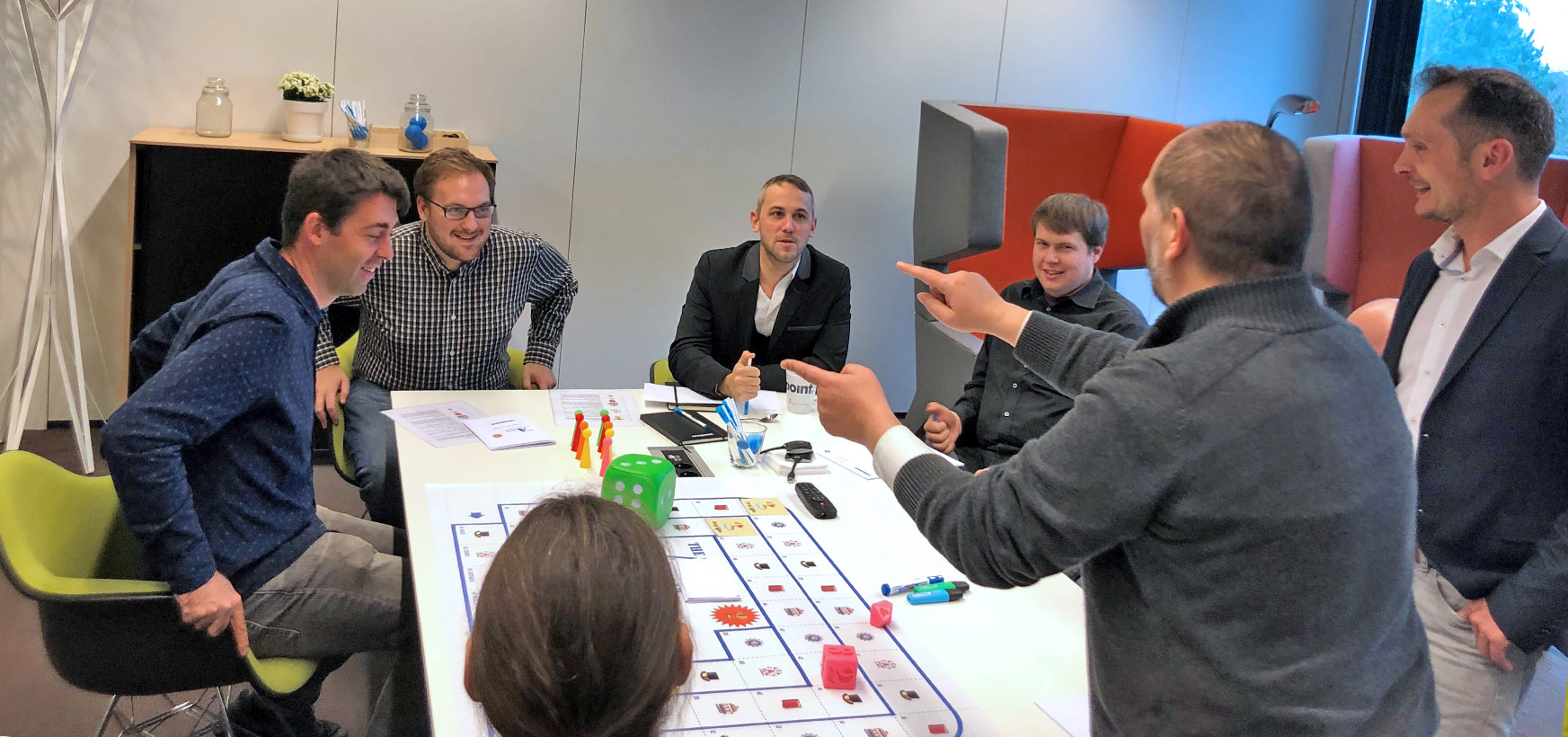
The terms “freelancer” and “consultant” are sometimes confused, but there is a key difference. A freelancer is self-employed and not necessarily committed to one particular employer or company on a long-term basis. A consultant, on the other hand, is not self-employed, and has a permanent contract with a consulting firm, which then sends them to the client (with whom the consultant does not have a contract) for a fee.
Types of consultant
There are two types of consultant: internal and external. Internal consultants provide expert advice to the company that employs them, while external consultants work with clients who pay a fee to the firm that employs the consultant.
Consultants can be internal or external |
Big consulting firms often hire more consultants than they need at a given time. This is because they are anticipating an increase in demand at certain points in the year (e.g. in the new year, after the summer…). Because of this, consultants may be hired when there is no mission actually ready for them: it’s like sitting on the bench for a sports match, waiting to come on.
What does being “on the bench” mean for a consultant?
Essentially, being on the bench means you have to wait for work. In the meantime, you’re likely to be given smaller projects which are less satisfying and fulfilling, such as providing support or maintaining applications. This kind of project unfortunately offers little opportunity for you to use your skills or develop professionally. Some agencies promise the consultants that they will be able to follow training while they’re on the bench. Due to poor planning, however, this doesn’t always happen.
Ending up working on a project you’re not very interested in is far from ideal and can lead to frustration and boredom. It also means a firm isn’t using its resources efficiently, as someone who is an expert in their field could be given a small, less meaningful project where their skills are not used to the full potential. This kind of task could be given to a more junior employee instead.

What’s the solution?
Some companies have found an excellent way to address this issue. Before hiring any consultants, they make sure to plan a meaningful internal project for them to take care of when they arrive. This turns the frustration of the “bench” into more interesting work that has been planned and arranged.
The external element of the job involves being sent on a mission to a client: this is the main reason for hiring a consultant. As well as this, however, all consultants hired with a contract have an internal mission which offers them enough of a challenge to keep them motivated and which fits the way they wish for their career to develop.
Consultant’s jackpot:
|
This is exactly how onepoint works. onepoint is a Belgian branch of a large French consulting firm, well known on the French market. The fact that onepoint’s mother company has a good reputation makes it easier for it to win big clients in Belgium, which is a relatively new market for them (onepoint has been present in Belgium since 2016). This in turn ensures continuity of missions for consultants.
In addition, onepoint has a second, internal role for every consultant hired on a permanent contract. An Agile Coach, for example, will not simply consult clients, but also be in charge of building the team at onepoint. They will coach this team, gaining a better internal knowledge in the process.
It’s logical that a company that cares about their consultants enough to prepare fulfilling work for them is also more likely to invest time in them generally. Training is at the heart of how onepoint works. Some people have been hired just after finishing a theoretical course, as they wished to change career. Visit their page on MyNextCompany to see the testimonials of Corentin, Eric and Julien, for whom onepoint made it possible to learn on the job.
It’s clear that Belgium is a great place to work as an IT consultant. Companies are keen to offer development opportunities for consultants, showing they value their skills and work. Talented candidates should not end up having to sit on the bench, completing uninteresting projects while waiting for something else to come along. You just need to find a firm that’s right for you and which will help take your career in the right direction!
Next step: Find the right company
Discover bevopr.io, a Belgian platform that will show you the companies that fit your needs, along with the match percentage. All you have to do is like, match, and chat. No need to update and upload your CV either!
The post The Top Reason Why Belgium Is a Good Place for IT Consultants appeared first on MyNextCompany.
]]>